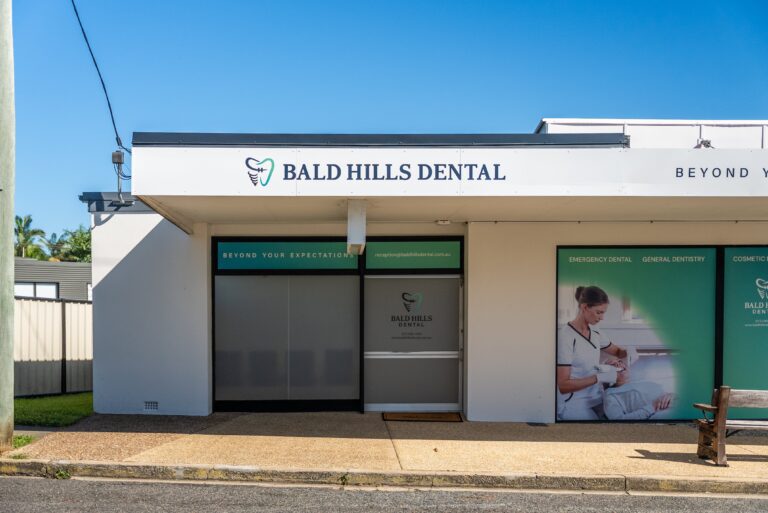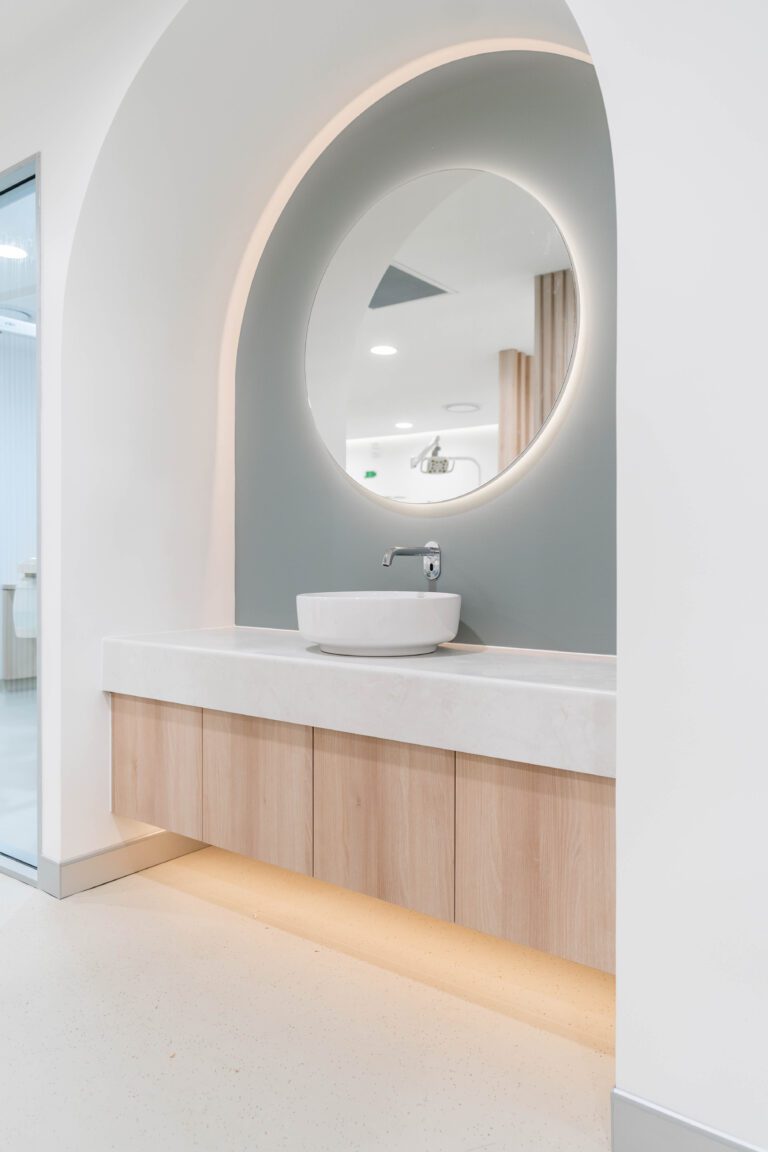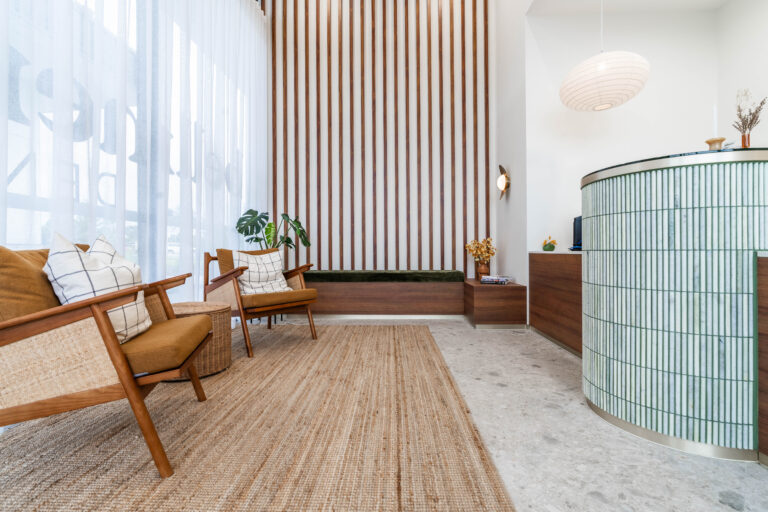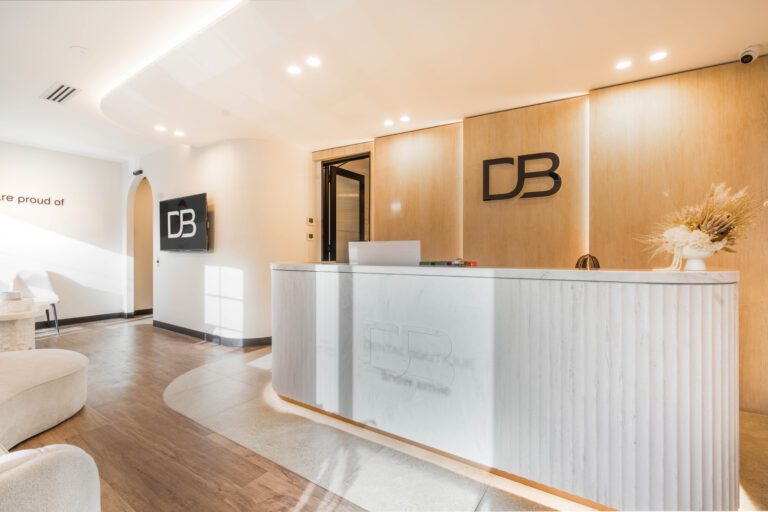
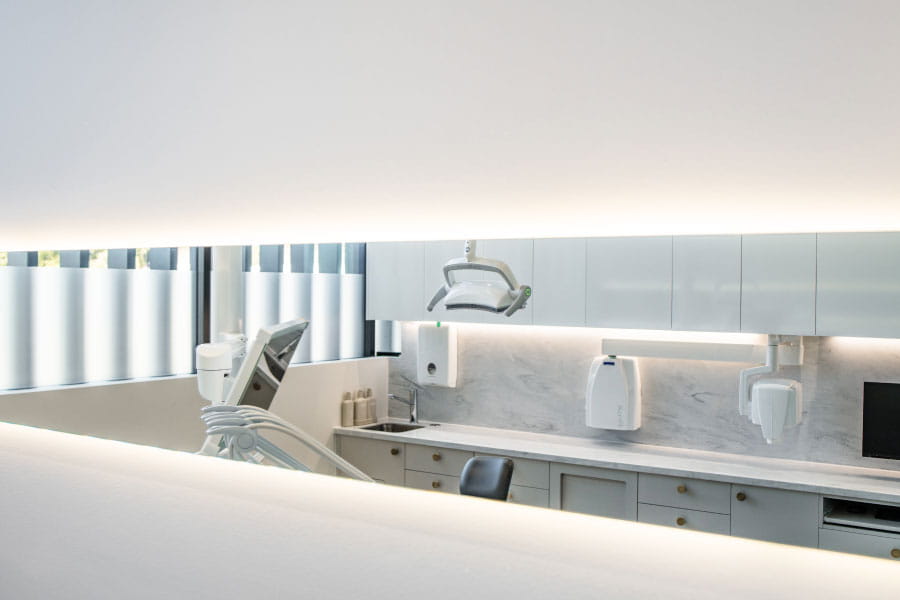
Healthcare branding has taken on new meaning in recent years. It’s no longer confined to marketing materials, social media, or digital presence. It is now deeply tied to the physical experience of care. For today’s patients, the environment is a signal. It shapes expectations, influences trust, and often plays a quiet but powerful role in their decision to return.
Clinic owners are beginning to see their physical environment as more than a setting for care. It plays a defining role in expressing brand identity and shaping patient perception.
Every clinic carries a distinct identity shaped by its purpose, values, and the kind of care it provides. The physical environment can either support and elevate that identity or undermine it. This article explores how thoughtful design aligns with healthcare branding and why that alignment matters for the people who experience it, deliver care within it, and return to it over time.
Key Takeaways
- Healthcare branding is more than visual identity. It’s how patients perceive your clinic across every touchpoint, including the physical space.
- Clinic design directly influences brand perception. Elements like layout, lighting, finishes, and flow all shape patient trust, comfort, and long-term loyalty.
- In every fitout, design choices should be guided by your values and brand identity.
- Patient-centred spaces build stronger brands. When people feel cared for, understood, and comfortable in your environment, it reinforces your messaging without saying a word.
- A well-executed fitout is a strategic asset. Done thoughtfully, it becomes a silent ambassador for your brand, supporting your team, serving your patients, and strengthening your reputation.
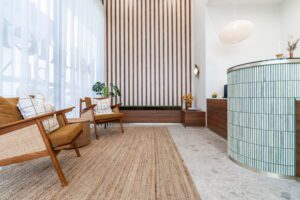
What is Healthcare Branding?
Healthcare branding is often misunderstood as purely visual, focused on logos, fonts, and colour schemes. But at its core, branding is about perception. It’s the impression your clinic leaves on patients, both consciously and subconsciously, throughout their experience.
For healthcare practices, branding is shaped through messaging, visual identity, tone of voice, and the physical space patients move through. Each element contributes to how your clinic is remembered, talked about, and ultimately trusted.
In a setting where decisions are often emotional and high-stakes, patient trust is one of your most valuable brand assets. When the brand experience feels consistent and well considered, it builds reassurance. It also increases the chances that patients will return, recommend your clinic, and develop long-term loyalty.
Branding isn’t just what you say about your clinic. It’s how people experience it. And in healthcare, for animals and humans, that experience is shaped significantly by the design of the space.

Why Clinic Design is a Branding Tool
Design is one of the most immediate and powerful ways a healthcare brand communicates with patients. Long before anyone speaks, the physical space starts shaping expectations. In a setting where trust and perception matter deeply, design becomes more than a visual element. It becomes a core part of the brand experience.
Design Shapes First Impressions
The physical environment of a clinic speaks before anyone does. From the moment a patient steps inside, they start forming impressions about the professionalism of the team, the quality of care, and the attention to detail. These impressions are shaped as much by the design of the space as they are by the service itself.
It’s More Than Aesthetic
Design isn’t just about how a space looks. It affects how it functions, how it feels, and how people move through it. In healthcare, these factors are key elements of brand positioning. A well-designed clinic supports both patient comfort and clinical efficiency. It can ease anxiety, reduce confusion, and create a sense of calm and control.
Fitout Details That Shape Perception
The details in a fitout, like joinery placement, circulation paths, or material choices, are not just functional decisions. They influence how patients feel and how they interpret your brand from the very first moment.
Cues That Build Brand Recognition
Every element of a space contributes to brand recognition. Natural light in a waiting area might suggest openness. Soft textures and warm materials can communicate calm and care. Clear signage and intuitive layouts help patients feel in control. When these details reflect your clinic’s values, they reinforce your healthcare branding without saying a word.
Design as a Strategic Brand Asset
Good design does more than meet functional needs. It reinforces identity, builds trust, and helps patients connect emotionally with a place they will likely return to in moments of vulnerability. When done well, it becomes one of the most powerful assets your brand can hold.
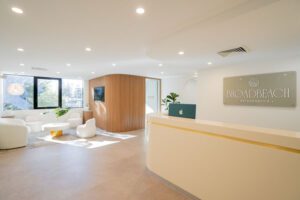
Aligning Your Brand with the Built Environment
Clinic design is one of the few areas where brand strategy becomes physical. It’s where abstract values like trust, innovation, warmth, or calm are expressed through space. When the built environment clearly reflects those values, it does more than support daily operations. It helps the brand feel intentional, familiar, and easy to believe in.
Translating Values into Space
Every clinic has a story to tell. For some, it’s rooted in innovation and high-performance care. For others, it’s about warmth, community, or a personalised approach. These values are often understood internally but not always visible in the environment patients encounter.
Design offers a way to express those values in tangible, sensory ways. A clinic focused on clinical precision might use minimalist layouts, crisp lighting, and a pared-back material palette. One that centres on comfort and connection may opt for soft textures, curved forms, and calming colours.
Function as a Brand Statement
It isn’t just about finishes. Functional decisions also communicate what your brand values. A considered layout supports patient flow and accessibility. Acoustic treatments contribute to calm and privacy. Even the placement of storage or technology affects how patients experience the space.
A boutique dental fitout or a larger medical fitout each offers the same opportunity: to turn strategic thinking into the lived experience of your brand.
Designing with Intention and Clarity
Aligning your brand with the built environment starts by defining what your practice stands for. When clinic owners are clear about their brand identity, tone of voice, and the experience they want to create, design decisions become more focused. The result is a space that feels intentional, distinctive, and aligned with your values.
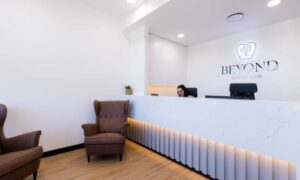
Patient-Centred Design Builds Brand Loyalty
A healthcare brand is defined by how people feel in its care. Marketing strategies might bring patients through the door, but it’s the design of the space: how it welcomes, calms, and supports, that often determines whether they return. When clinic design puts patients first, it doesn’t just enhance service, it builds long-term loyalty.
First Impressions Shape Brand Trust
The patient journey often starts well before any treatment begins. From the ease of parking to the feel of the waiting area, every interaction shapes perception. A calm, well-organised, and welcoming environment sets the tone for what patients expect. It can ease anxiety, build trust, and increase the chances of return visits or referrals.
Comfort and Confidence by Design
Patients are highly sensitive to their surroundings. Harsh lighting, unclear layouts, or noisy treatment areas can cause stress, even when clinical care is excellent. In contrast, natural light, sound-absorbing materials, and clearly defined zones create a sense of calm and control.
Elements like seating arrangements, acoustic privacy, and lighting temperature all affect how safe and respected patients feel. When thoughtfully planned during a dental fitout or medical fitout, these features become an essential part of the brand experience.
Designing for Human Needs
Modern fitout planning increasingly reflects a more empathetic approach to care. This might include wider corridors for accessibility, smoother transitions between public and private spaces, or areas that allow patients to pause and collect themselves.
When patients feel a space has been designed with their needs in mind, their connection to the clinic grows stronger. That connection is the foundation of a lasting healthcare brand, built not on slogans, but on how people feel when they are in your care.

How Design Communicates Brand Without Saying a Word
Branding in healthcare doesn’t always need to be bold. Often, it’s the quiet, thoughtful details that carry the most weight, the ones patients register without even realising. The curve of a hallway, the warmth of a light source, or the texture of a wall finish can all reflect your brand identity and approach to care.
A brand focused on calm reassurance might lean towards soft edges, diffused lighting, and natural tones. One centred on innovation and performance might be better expressed through crisp lines, precision joinery, and a minimalist fitout. Each of these choices helps tell the story of your brand, influencing how your practice is understood and remembered.
When every element is guided by clear intent, design becomes a silent ambassador. Patients may not be able to explain why the space felt right, but they’ll remember how it made them feel, and connect that feeling with the quality of care you provide.

Turn Your Vision Into Reality with RiteSpace Construction
Design is where your values take shape. A well-executed dental or medical fitout does more than serve function; it brings your healthcare branding to life.
At RiteSpace Construction, we work with healthcare professionals to create spaces that feel purposeful, efficient, and brand-aligned. From base builds to turn-key practice delivery, we bring the insight needed to design for real impact.
Ready to bring your brand to life? Start the conversation with our team and see how smart design can transform your clinic. Take a look at our recent work, or download our free eBook to stay on top of the latest trends and get inspired.
Frequently Asked Questions
Q. How does healthcare branding differ from traditional branding?
Ans. Healthcare branding must strike a balance between emotional trust, regulatory constraints, and patient-centred messaging. Unlike commercial brands that may focus on lifestyle or aspiration, a strong healthcare brand prioritises patient trust, credibility, and consistency across both communication and physical environments.
Q. Can healthcare branding help improve patient retention?
Ans. Yes. A well-branded clinic experience, supported by cohesive design, comfort, and clarity, encourages repeat visits and positive word-of-mouth. When patients feel aligned with your values and cared for within a professional environment, they’re more likely to return.
Q. What design features support a strong healthcare brand?
Ans. Key elements like lighting, acoustics, signage, colour palettes, and spatial flow all contribute to how your brand is perceived. These features should be chosen intentionally to reflect your brand personality and support both clinical function and emotional comfort.
Q. Is healthcare branding relevant for small practices?
Ans. Absolutely. In fact, smaller practices often have a greater opportunity to differentiate themselves through clear brand positioning, intentional design, and personalised patient experiences, all of which can lead to stronger local brand recognition.
Q. How can I future-proof my healthcare brand through design?
Ans. Opt for flexible layouts, timeless material palettes, and technology-ready infrastructure. These choices help your physical environment evolve with changing care models or branding strategies, ensuring long-term relevance and continuity.