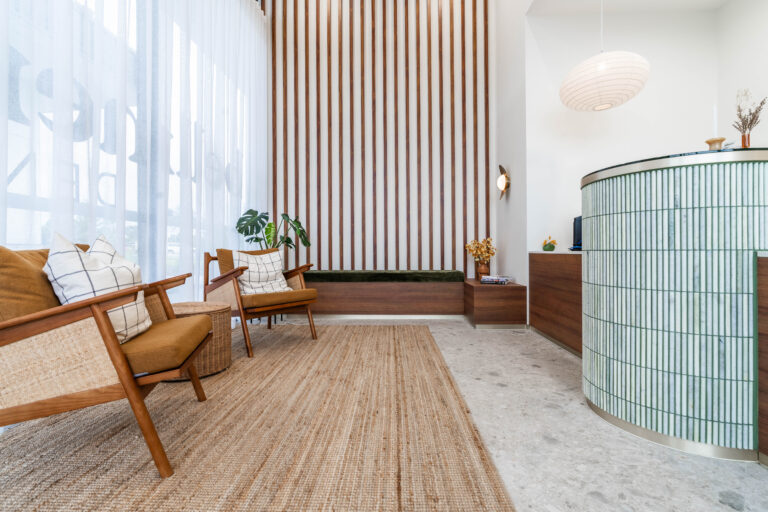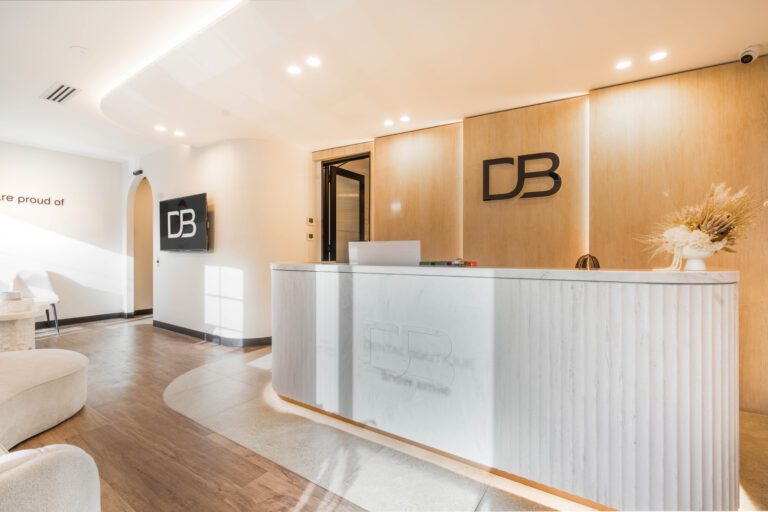
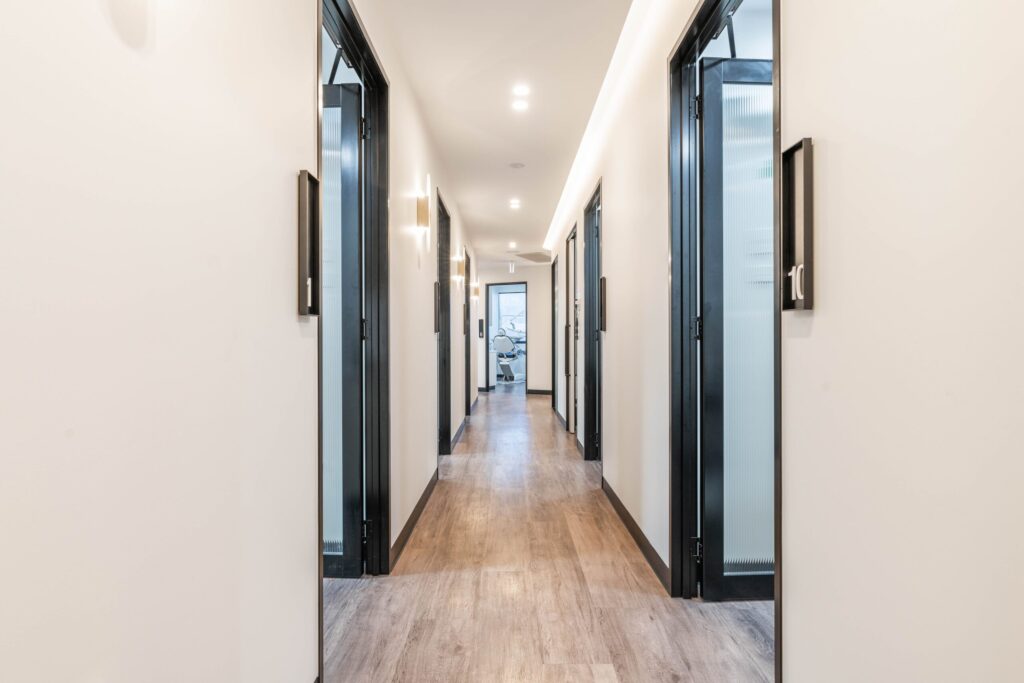
Designing a medical clinic today is about more than functionality. It’s about creating a space that reflects your values, supports patient care, and enables your team to work efficiently and comfortably. As the healthcare landscape continues to change, clinic design is evolving too, bringing greater focus to flexibility, technology integration, compliance, and patient experience.
In 2026, practice owners face a design environment shaped by rising expectations, tighter regulatory frameworks, and rapid shifts in care delivery models. Clinics must do more than look modern. They need to function well, meet compliance from day one, and adapt easily to new services or systems.
Planning a refurbishment or a new build starts with understanding the design factors that matter most. With the right foundation, you can make confident decisions that support your clinic now and into the future.
Key Takeaways
- Clinic design in 2026 is about adaptability, not just aesthetics. Modern practices require flexible spaces that support evolving models of care, including telehealth, group consults, and growing service teams.
- Compliance must be integrated from day one. Early planning for infection control, accessibility (AS1428.1), fire safety, and clinical zoning helps prevent delays and costly redesigns.
- Workflow efficiency starts with layout. Clear zoning, logical room adjacency, and smart storage all support smoother operations and better use of space for staff and patients.
- Patient experience is shaped by the environment. Design elements like acoustic privacy, lighting, inclusive access, and calming materials can reduce anxiety and build trust.
- Technology should be embedded in the design. From data cabling to server access and telehealth-ready rooms, clinics need infrastructure that supports both current and future systems.
- Sustainability delivers long-term value. Low-VOC materials, energy-efficient systems, and passive environmental control contribute to lower running costs and healthier indoor spaces.
- Smart budgeting is about value, not just cost. A clear plan that accounts for site conditions, compliance, equipment integration, and future expansion creates better outcomes.
Future-Focused Design Trends
The modern medical clinic is designed with people in mind. It supports calm, clarity, and care, not just for patients, but for the staff who use the space every day. In 2026, we’re seeing a strong shift toward design choices that reflect this balance.
Four trends are particularly influential:
1. Multi-Purpose Spaces that Support Flexibility
Consultation and treatment rooms are increasingly being designed for multiple uses. These spaces can transition between in-person appointments, group education sessions, and telehealth services, allowing clinics to adapt without structural changes.
2. Interiors that Reflect Your Brand and Patient Base
Design is one of the first ways a patient experiences your clinic. A thoughtful, cohesive interior design, using materials, lighting, and colour that align with your values, helps build trust and reinforce professionalism.
3. A Greater Focus on Wellness Through Design
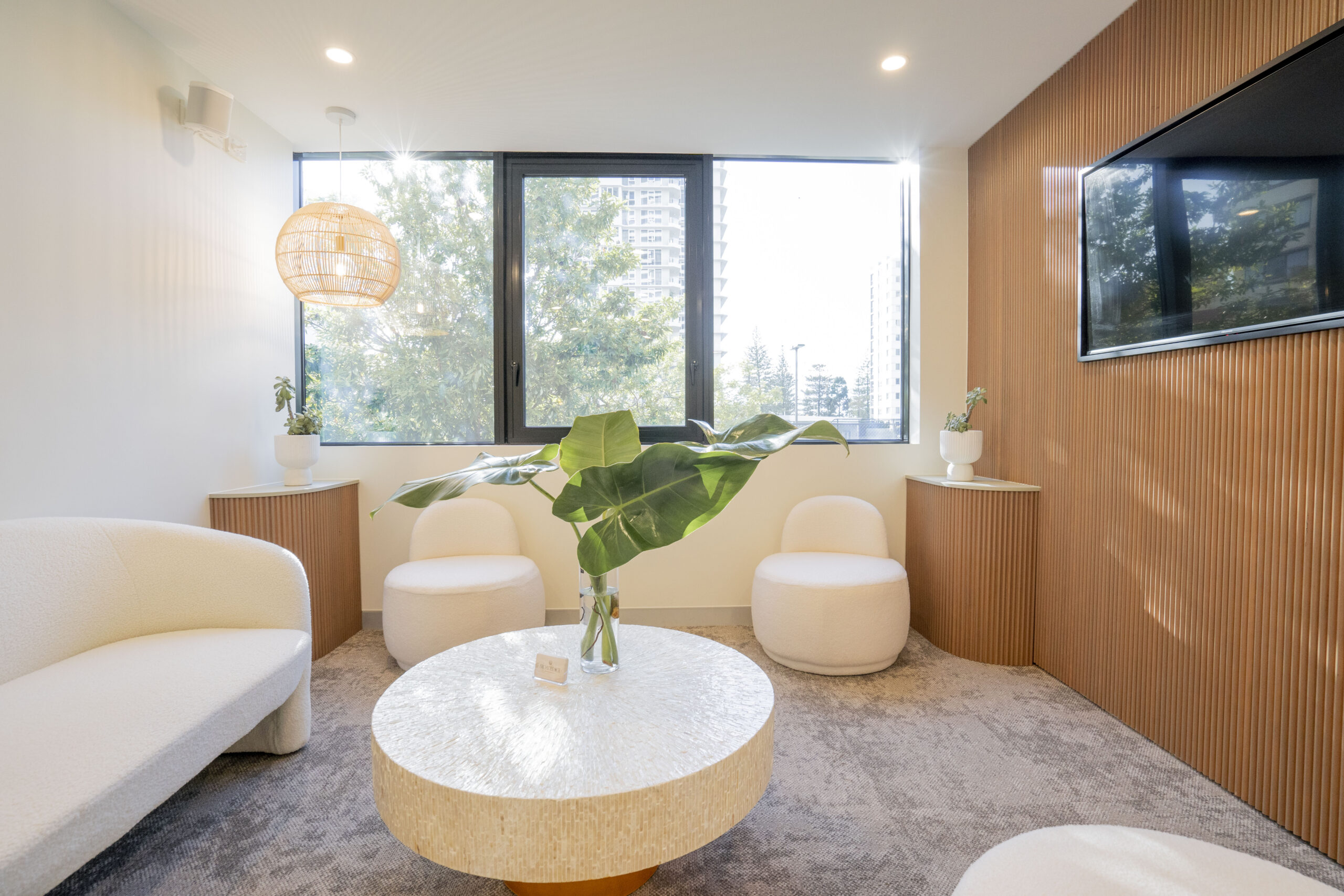
Natural light, calming finishes, and acoustic control all play a role in reducing patient stress and supporting staff wellbeing. Biophilic principles are now guiding layout and material choices, creating spaces that feel less clinical and more human.
4. Integrated Accessibility for All Users
Universal design has become standard, not optional. From step-free entryways to wider circulation paths, accessible spaces ensure dignity and comfort for all patients, including those with mobility, sensory, or cognitive challenges.
Each of these trends supports not just a better-looking space but a better-functioning one, ready to meet the practical demands of modern healthcare.
Compliance and Regulatory Planning
Compliance is a critical part of clinic design. It influences layout, materials, approvals, and how your space performs day to day. In 2026, regulations continue to evolve, and embedding these requirements early can save time and cost down the line.
Key areas to plan for include:
- Infection control: Zoning is essential. Spaces should allow for clear, clean-to-dirty workflows, with appropriate materials and room adjacencies to support hygiene standards.
- Accessibility (AS1428.1): True accessibility goes beyond minimum requirements. Design should consider turning circles, accessible bathrooms, reception desk heights, and circulation widths.
- Fire safety: Emergency exits, evacuation routes, fire-rated partitions, and appropriate signage all need to be built into the early layout.
- Clinical services: For imaging or procedural rooms, planning must include shielding, ventilation, HVAC specifications, and layout allowances that meet healthcare codes.
By addressing these requirements at the design stage, your clinic is more likely to pass inspections, avoid rework, and open on time. An experienced medical fitout team can help ensure compliance is integrated into those initial steps, not added later.
Enhancing the Patient Experience
How a clinic feels matters just as much as how it functions. For many patients, visiting a medical space can bring anxiety or uncertainty; your design choices have a direct impact on how your patients feel, from first impressions to follow-up care.
In 2026, clinics are focusing more on emotional comfort as part of the overall experience. Thoughtful, human-centred design helps build trust and reduce stress.
Key considerations include:
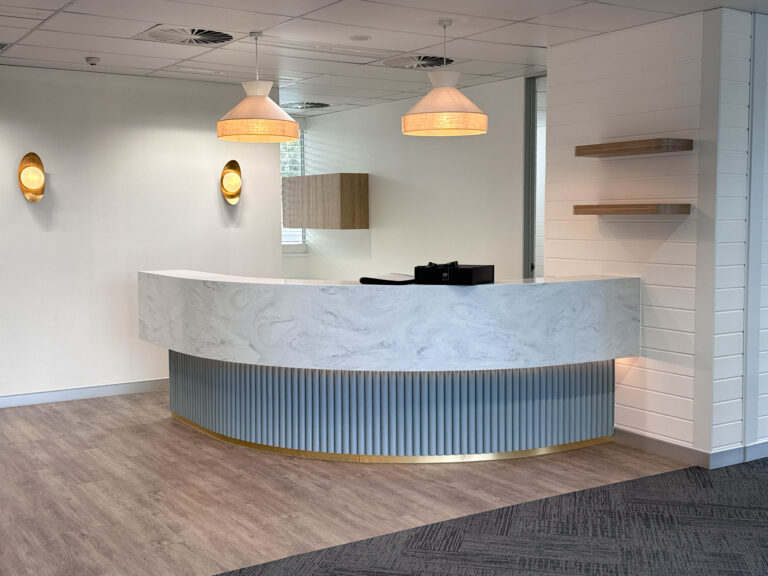
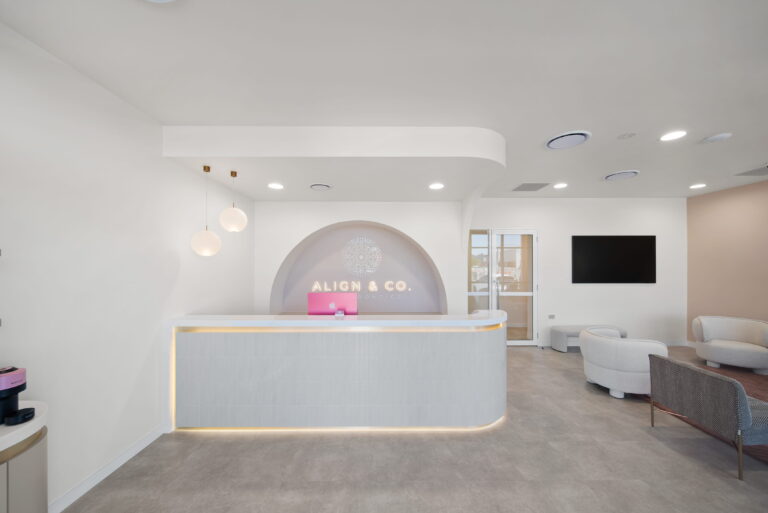
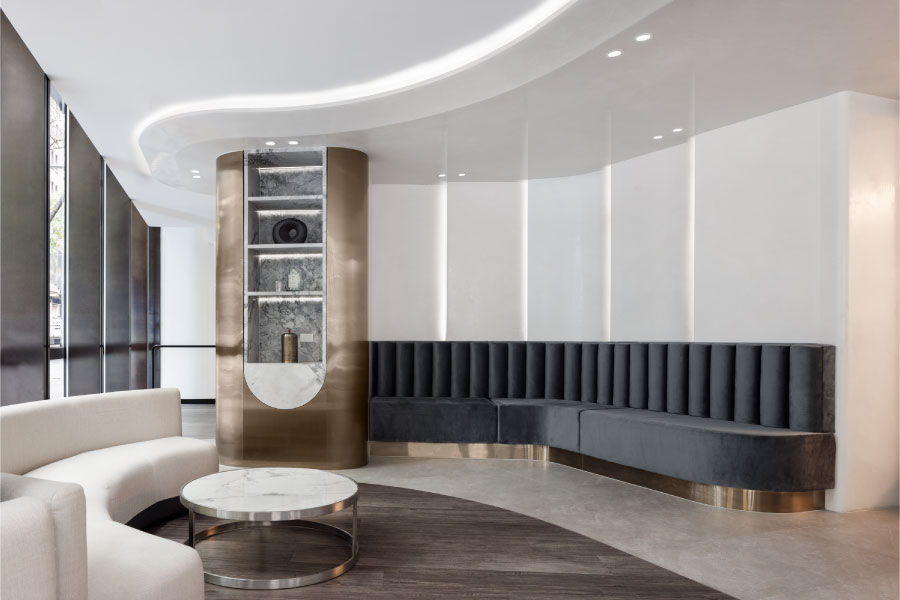
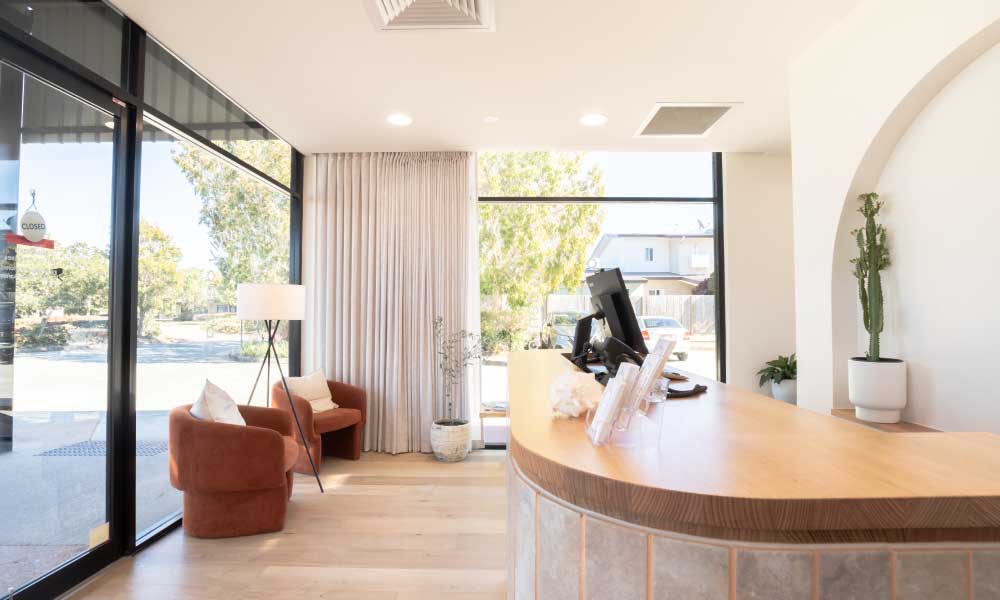
- Welcoming reception areas: Use soft lighting, natural textures, and calm colours to create a sense of safety. A well-designed waiting area signals care and professionalism.
- Accessibility for all patients: Step-free entries, varied seating heights, and clear signage support people with prams, mobility aids, or sensory sensitivities.
- Privacy and acoustic design: Patients value discretion. Use acoustic insulation, private check-in points, and clear transitions between public and clinical spaces.
- Clear wayfinding: Intuitive layout, colour-coded zones, and consistent signage help reduce confusion, especially for older adults or first-time visitors.
- Comfort across touchpoints: Adjustable seating, climate control, and uncluttered environments contribute to a more relaxed experience throughout the clinic.
Designing for patient experience isn’t about luxury. It’s about removing friction, lowering stress, and making each interaction feel calm and considered.
Technology Integration
Technology is now integral to healthcare. From digital records to telehealth and diagnostics, clinics in 2026 need to be designed with digital systems in mind, right from the start, with the ability to easily evolve.
Some of the key areas to plan for include:
- Structured data and power services: Provide balanced access to power, data, and Wi-Fi throughout treatment and admin spaces. Cabling should be discreet, accessible, and scalable.
- Equipment integration: Many medical devices need specific service points, clearances, and IT connections. Design around these requirements to avoid disruption during fitout.
- Telehealth-ready spaces: Quiet, well-lit rooms support virtual consultations, staff training, or overflow care. These rooms benefit from integrated lighting, acoustics, and connectivity.
- Digital check-in and wayfinding: Self-service kiosks, appointment displays, and digital signage streamline patient flow and reduce pressure on reception areas.
- Server and network infrastructure: Even cloud-based systems require reliable, secure access. Allocate space for ventilated server racks, routers, and power backup where needed.
When technology is built into the design, not layered on top, it enhances care delivery and ensures the clinic remains efficient, secure, and future-ready.
Sustainability in Clinic Design
Sustainability has become a practical and expected part of modern clinic design. In 2026, the focus is on reducing environmental impact while creating spaces that are healthier, more efficient, and easier to maintain.
Designing sustainably doesn’t require compromise. Many of the best choices support both environmental outcomes and long-term performance.
Here are a few ways sustainability can be integrated into modern clinic design:
- Energy-efficient lighting and climate systems: Zoned HVAC, occupancy sensors, and LED lighting help manage power use while maintaining comfort and control across different areas of the clinic.
- Low-VOC and non-toxic finishes: Selecting paints, adhesives, and joinery with low emissions supports better air quality, especially important for patients with sensitivities and for staff working long hours.
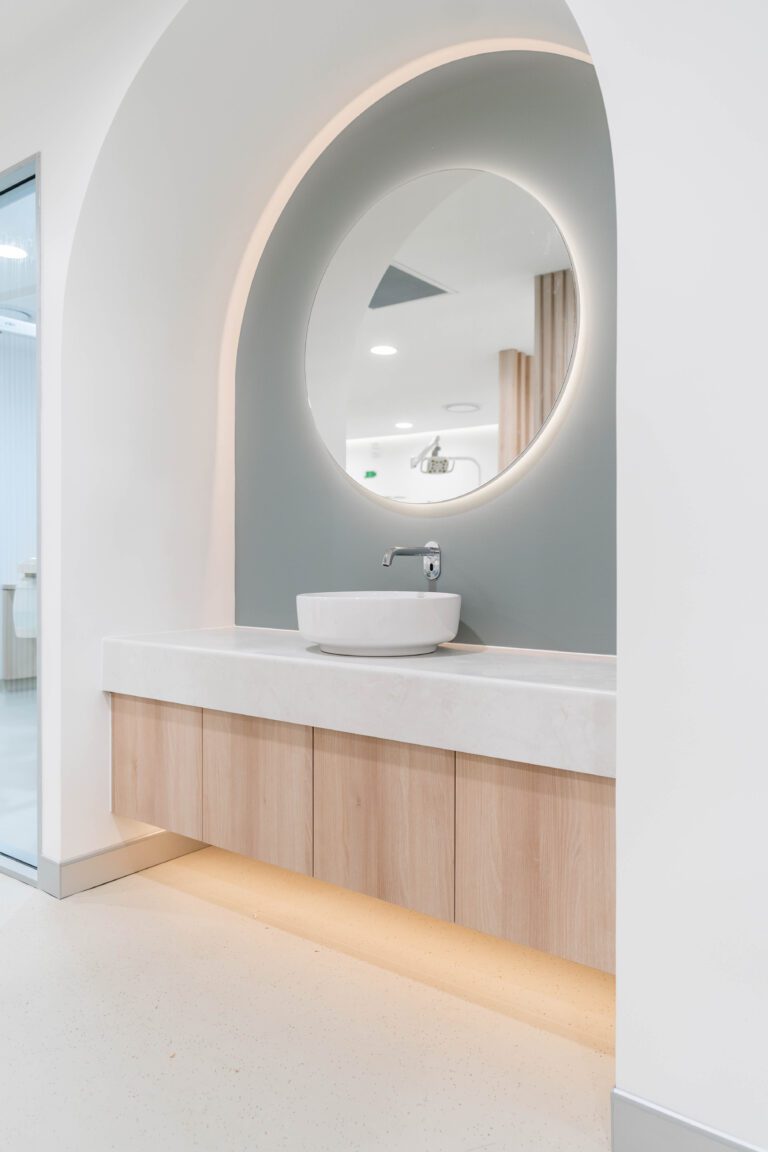
- Water-conscious design: Hands-free taps, efficient toilets, and flow-controlled fittings reduce water use without sacrificing hygiene or usability.
- Durable, sustainable materials: Bamboo flooring, eco-certified timber, and recycled surfaces are long-wearing and reduce environmental impact. They also bring warmth and texture into clinical spaces.
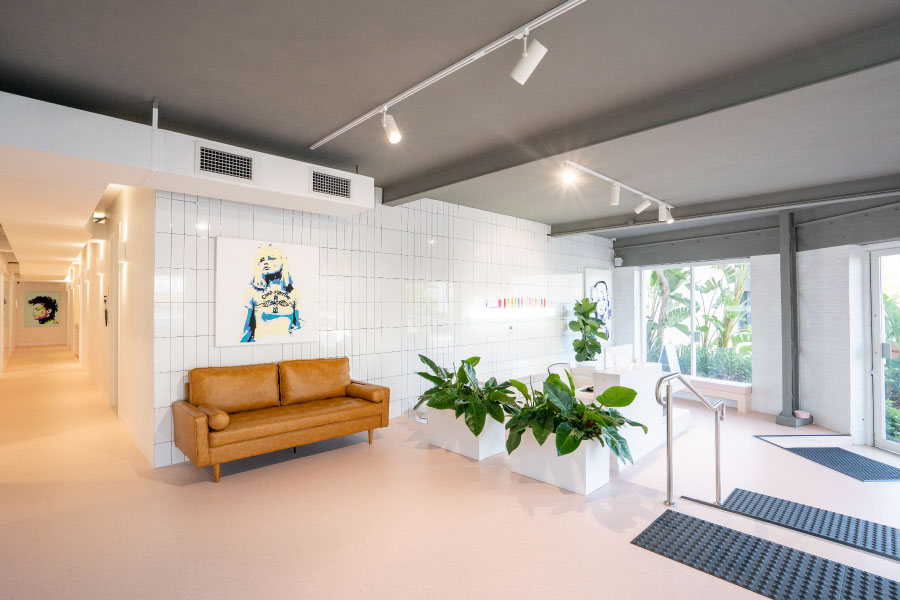
- Passive environmental control: Where layout allows, designing for natural light and airflow can reduce reliance on mechanical systems. These features also create calmer, more inviting interiors.
When sustainability is embedded from the start, it becomes a strength, not an add-on. It supports operational savings, improves user experience, and reflects the values of modern healthcare.
Budgeting for Quality and Future Growth
Designing a medical clinic is a significant investment. In 2026, the goal is shifting from cutting costs to creating long-term value through thoughtful planning, smart staging, and clear financial visibility from the outset.
A well-structured budget doesn’t just control spending. It supports better decisions, reduces surprises, and helps ensure the project delivers on both function and quality.
Key areas to account for include:
- Site preparation and approvals: Factors like demolition, service upgrades, or fire rating requirements can add complexity and cost early in the process. Planning permits and certifications should be factored in from the beginning.
- Fitout scope and finishes: The number of consult rooms, level of detailing, and material selections all influence cost. High-quality joinery, integrated storage, or acoustic treatments may increase upfront costs but support better performance long term.
- Technology and equipment integration: Allow for installation, cabling, and layout adjustments needed to accommodate clinical technology, not just the purchase cost of equipment itself.
- Compliance-related inclusions: Elements like fire safety systems, disability access, and infection control zoning add to the budget but are essential for certification and audit readiness.
- Staging and future-proofing: Clinics can be designed for growth, starting with core rooms, then expanding when needed. Planning for rough-ins, flexible layouts, and modular joinery makes it easier to scale without rework.
The most effective budgets are transparent and adaptable. They allow you to prioritise what matters most, whether that’s workflow, compliance, patient experience, or expansion, and build around a clear understanding of cost, timing, and long-term outcomes.
Design Your Next Clinic with RiteSpace Construction
A well-designed medical clinic does more than meet requirements. It shapes how care is delivered, how teams work, and how patients feel the moment they arrive. In 2026, design plays a central role in building a clinic that performs now and adapts for what’s next.
At RiteSpace Construction, we specialise in healthcare environments that bring together smart planning, regulatory certainty, and a sense of calm, functional purpose. From base builds to full turn-key practices, we create spaces that reflect how you work and where you’re heading.
Planning something new or reworking your current space, take a look at our completed projects for inspiration. Let’s create a clinic that delivers at every level. Book a consultation or download our free eBook to see what’s possible.
Frequently Asked Questions
Q. When should I involve a builder or fitout specialist in my clinic project?
Ans. Engaging a healthcare-specific builder early, ideally before signing a lease or finalising the layout, can help identify compliance issues, service requirements, and cost considerations that may not be obvious at the planning stage.
Q. How much control will I have over the clinic design?
Ans. You’ll be involved in key decisions, particularly those that impact branding, patient flow, and room function. A good healthcare fitout partner will guide the process while ensuring the space reflects your vision and values.
Q. Do I need an architect before speaking to a builder?
Ans. Not necessarily. Many healthcare-specific builders offer integrated design services or work closely with designers who understand clinical needs and compliance. This can streamline the process and reduce friction between design and delivery.
Q. Is sustainability more expensive to include in my clinic design?
Ans. Not necessarily. Many sustainable choices, like energy-efficient lighting, water-saving fixtures, and low-VOC finishes, can reduce long-term operating costs. Some options may cost more upfront but deliver value over time.