
Financing a healthcare fit-out is a planning decision that influences how a clinic is designed, delivered, and experienced over time. It affects scope, timing, and how much pressure is felt as the project progresses.
For many, a fit-out represents a significant investment. It is closely tied to compliance, specialist services, equipment integration, and clinical workflow.
Despite this, finance is often considered late in the process.
When costs are already emerging, options can feel constrained and decisions harder to control.
Fit-out finance plays a quiet but influential role in shaping outcomes. When considered early, it supports clearer planning and steadier decision-making as a project moves from concept into construction.
Key Takeaways
- Fit-out finance shapes more than cost. It influences planning, sequencing, and decision-making throughout a healthcare project.
- Healthcare fit-outs confirm costs progressively as compliance, services, and equipment requirements are clarified.
- A tailored funding approach supports better outcomes than generic commercial models.
- Understanding the full cost picture early reduces pressure later in the process.
- Planning for flexibility helps clinics manage change without compromising care delivery.
- Early coordination between planning, construction, and funding creates greater confidence overall.
Understanding Fit-Out Finance in a Healthcare Context
Fit-out finance affects more than how a project is paid for. It influences how decisions are made as planning progresses and how resilient a project remains during delivery.
In healthcare settings, such as in the medical or dental fields, this influence is more pronounced. Clinical workflows, compliance requirements, and specialist equipment shape how a space is designed and how costs take shape. These elements are rarely locked in at the outset. They are usually confirmed as planning moves forward.
For this reason, funding decisions carry weight early in the process. They influence scope, sequencing, and flexibility well before construction begins.
What is Fit-Out Finance?
The term fit-out finance refers to the funding used to support the design and construction of an internal space. In a healthcare setting, it supports the process of turning a tenancy into a clinic that is functional, compliant, and ready to operate.
A healthcare fit-out extends beyond finishes and furnishings.
It brings together construction works, building services, regu
latory requirements, and equipment integration throughout the entire process, even as plans are refined and approvals are in your hands.
Viewing funding through this broader lens allows clinics to manage costs in line with how a project actually progresses. Expenditure can be structured to align with delivery, rather than absorbed upfront.
Why Healthcare Clinics Need a Different Approach to Fit-Out Finance
Healthcare clinics, whether they be for animals or humans, operate within a more demanding framework than many commercial interiors. Design and construction decisions need to respond to regulatory standards, clinical workflows, and specialist equipment requirements.
These factors influence how a space is designed and when costs become clear. Treating a healthcare fit-out like a typical office or retail project often leads to gaps between early expectations and on-site reality.
A more tailored approach reflects how healthcare projects are delivered in practice. It supports planning that allows requirements to be confirmed progressively, rather than assumed early.
Understanding the True Cost of a Healthcare Fit-Out
The cost of a healthcare fit-out is rarely defined by a single figure. It is shaped by design decisions, regulatory requirements, service coordination, and how a clinic intends to operate day to day.
Many practice owners approach a fit-out expecting construction costs to make up most of the budget. On healthcare projects, a significant portion of expenditure often sits in areas that are less visible early on. These costs tend to surface as design detail and technical coordination progress.
The Main Cost Components in a Healthcare Fit-Out
A healthcare fit-out typically includes several cost categories.
Common components include:
- Base building and internal construction works
- Electrical, hydraulic, and data services upgrades
- Compliance-related requirements tied to healthcare standards
- Joinery, partitions, and fixed interior elements
- Medical, dental, or veterinary equipment integration
- Professional services, approvals, and certifications
How and When Fit-Out Costs Are Confirmed
Each of these elements is confirmed at a different stage. Some are defined early. Others only become clear once detailed design and approvals are underway.
As the scope becomes more precise, expectations can shift. Service loads may increase. Compliance measures may require additional work. Equipment selections can influence layout and infrastructure.
Why Early Cost Clarity Supports Better Decisions
Understanding the full cost picture early supports more measured planning. It allows clinics to identify where flexibility exists and where it doesn’t. It also reduces the likelihood of decisions being made under pressure once construction is underway.
Clear visibility across cost categories does not remove complexity. It does make it easier to manage. Clinics that take this approach tend to move through the build process with greater confidence and fewer late-stage compromises.
Where Healthcare Fit-Out Costs Commonly Take Shape
Joinery, Finishes, and Fixed Interior Elements
Elements Patients and Staff Interact With Daily
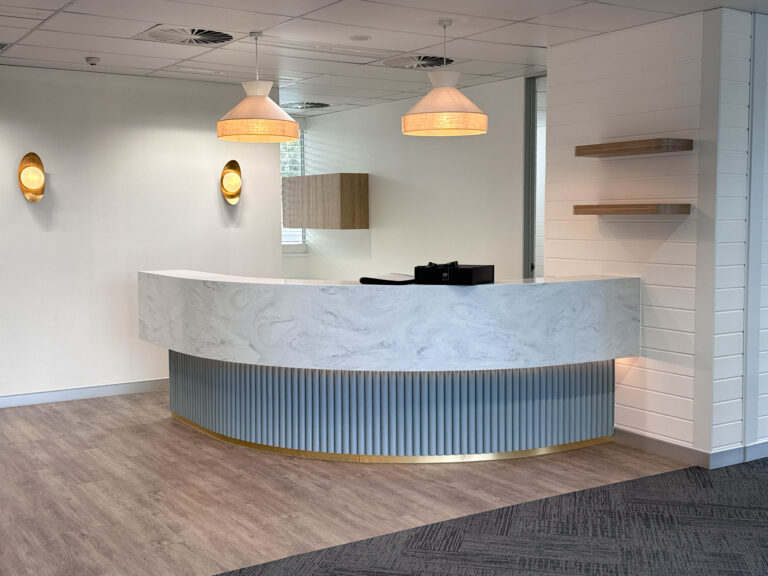
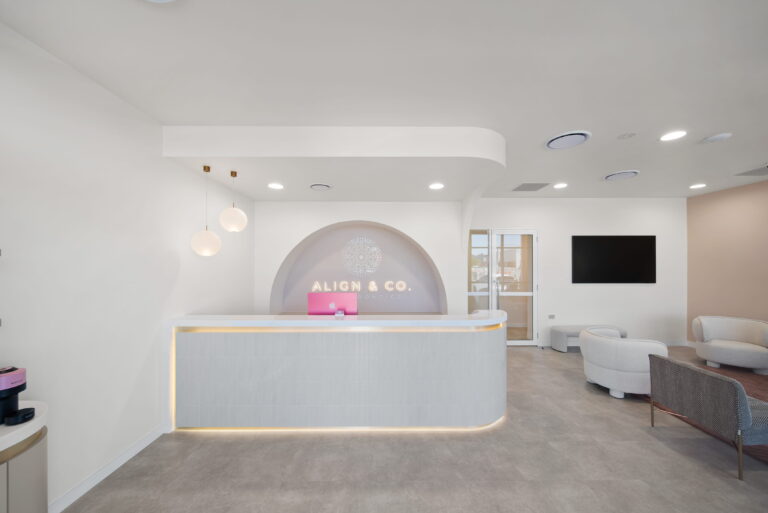
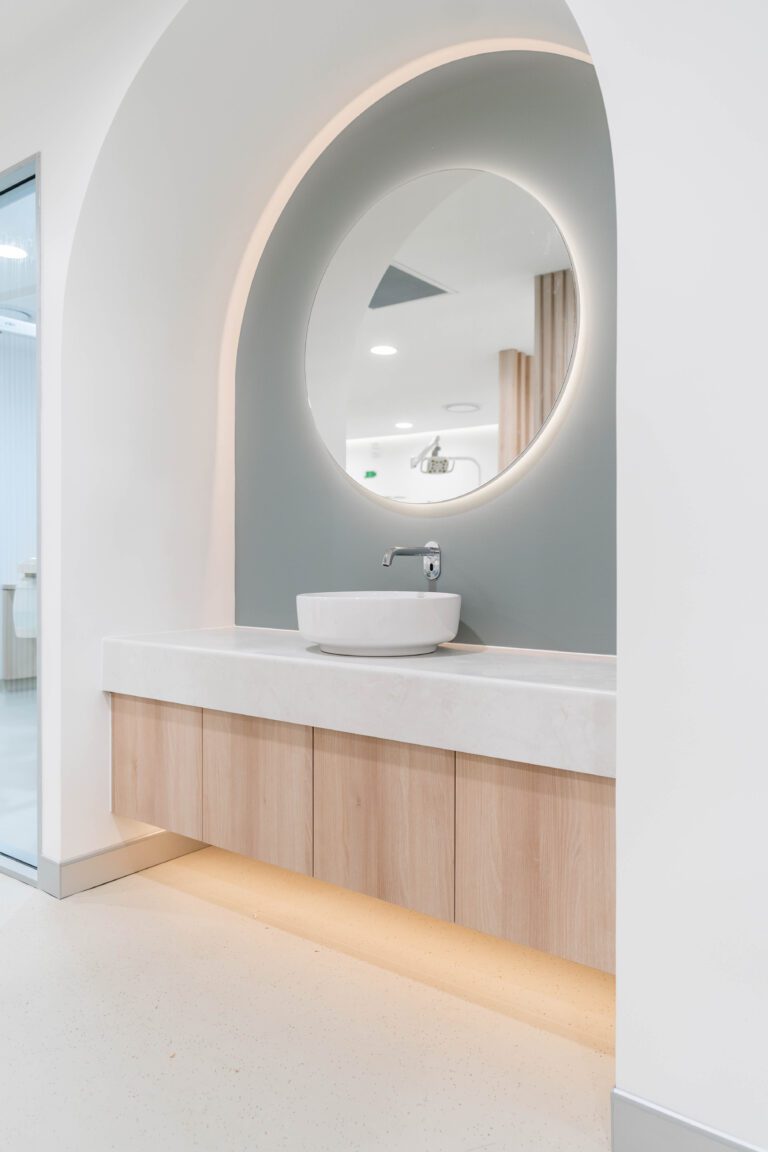
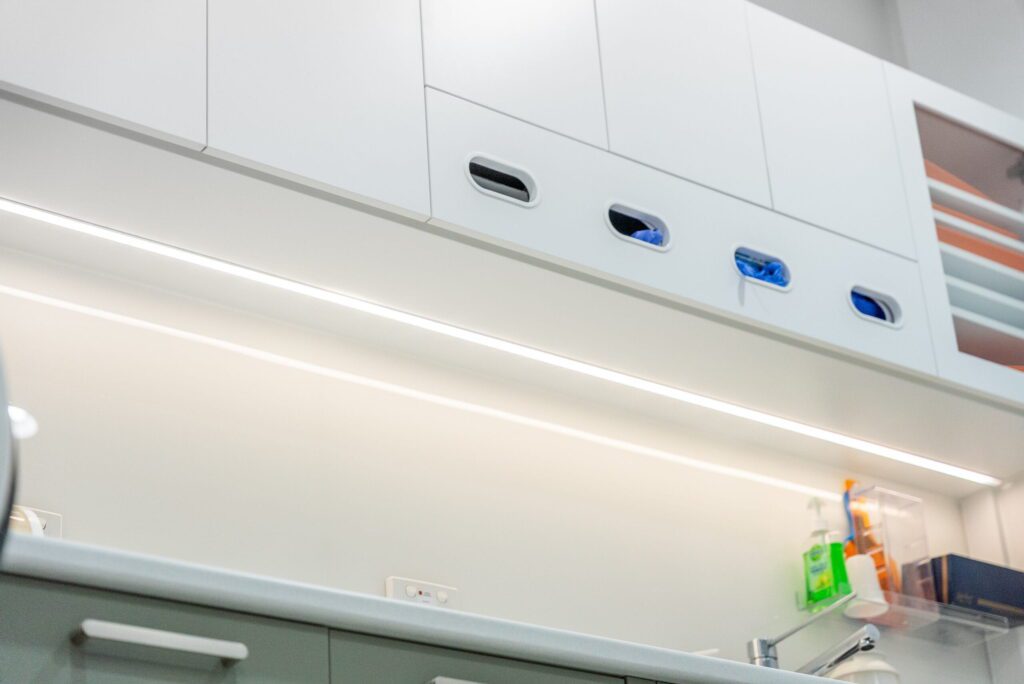
Joinery and fixed interior elements shape the everyday experience within a clinic. Reception desks, cabinetry, wall finishes, and partitions are used constantly. Their performance affects comfort, privacy, durability, and ease of use.
In healthcare environments, these elements need to withstand heavy use while supporting cleaning protocols and clinical workflows. Decisions made here have long-term implications that extend beyond the initial fit-out.
Where Design Choices Influence Cost
Your selections often evolve as layouts are refined and services are coordinated. Early concepts can change once clinical requirements, compliance considerations, or equipment needs are fully understood.
Cost is influenced by material selection, the level of customisation required, and detailing complexity. Custom solutions can support better workflows, but they require clear planning and coordination.
Functional Requirements That Shape Scope
In clinical settings, joinery and finishes often need to accommodate:
- Storage for equipment and consumables
- Acoustic separation between spaces
- Integration with lighting, services, and technology
- Surfaces suited to frequent cleaning
These requirements influence design, construction approach, and sequencing during the build.
Equipment and Technology Integration
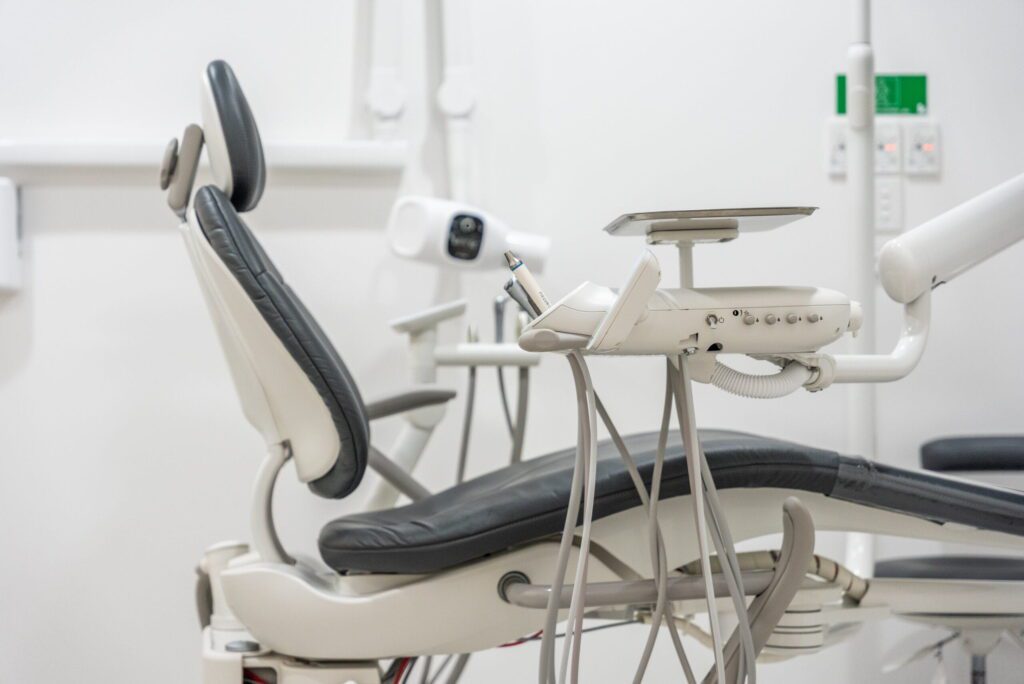
Equipment and technology sit at the centre of how a healthcare clinic operates. They influence room sizes, service coordination, and daily workflows. In many projects, they also represent a significant portion of the overall investment.
Unlike finishes, equipment decisions often need to be made early. Imaging systems, dental chairs, sterilisation units, and specialised technology place specific demands on power, data, ventilation, and spatial planning.
Typical considerations include:
- Equipment specifications and service requirements
- Spatial allowances for installation, access, and maintenance
- Coordination with electrical, data, and hydraulic systems
Sequencing Matters More Than Selection
Equipment is often selected early, while installation occurs later. This gap needs to be managed carefully.
When requirements are not clearly defined upfront, changes can affect services, joinery, and layouts. Each adjustment can influence cost and programme.
Clear sequencing reduces this risk. When equipment decisions align with design development, projects tend to progress with fewer late-stage changes.
Planning for Today Without Limiting Tomorrow
Technology in healthcare continues to evolve. Clinics that plan only for current needs can find themselves constrained sooner than expected.
Allowing for future upgrades does not mean overspending. It often involves thoughtful allowances in infrastructure, access, and layout. This might include additional capacity in services or flexibility in room planning.
A considered approach supports longevity. It allows clinics to adapt as technology changes, without the need for disruptive or costly retrofits.
Professional Fees, Approvals, and Often Overlooked Costs
Before construction begins, a healthcare fit-out already carries associated costs. Much of this work supports approvals and compliance rather than visible outcomes.
Early-stage costs commonly relate to:
- Design development and documentation
- Consultant input for fire, accessibility, or infection control
- Planning advice and authority engagement
Later in the process, additional costs can emerge when timelines are tighter:
- Authority fees linked to inspections or permits
- Consultant reviews triggered by design changes
- Minor works required for final sign-off
Recognising both phases helps set realistic expectations. Clinics that allow for professional services across the full life of the project are better placed to absorb change without disruption.
Contingency and Cost Movement
Cost movement is common on healthcare fit-outs. As designs are refined and requirements confirmed, budgets often adjust.
Contingency allows this movement to be managed without placing pressure on delivery or forcing late compromises.
Common drivers include:
- Compliance requirements becoming clearer
- Services adjustments after layouts are finalised
- Equipment selections introduce additional infrastructure needs
- Authority feedback requiring design refinement
A well-considered contingency supports steadier decision-making and protects long-term outcomes.
Fit-Out Finance Options Available to Healthcare Clinics
Healthcare clinics use a range of funding approaches. The right mix depends on how the project is staged, how costs are confirmed, and how much flexibility is required during delivery.
Cash and Business Loans
Cash and traditional business loans are often used to fund construction works.
Using cash provides simplicity, but it concentrates financial exposure. Loans preserve working capital for staffing, equipment, and early operations. Each option involves trade-offs that need to be considered alongside project scope.
Leasing and Equipment Finance
Leasing and equipment finance are commonly used for specialist clinical assets.
Separating equipment funding from construction can reduce upfront cost and support cash flow. This approach works best when equipment requirements are clearly defined and coordinated with design and services planning.
Asset-Based and Property-Backed Funding
Established clinics may access funding through existing assets or property equity.
These structures can provide larger sums and longer repayment terms. They also involve higher levels of exposure and should be considered with professional financial advice.
Planning for Flexibility in Healthcare Fit-Outs
Healthcare fit-outs develop in stages. Designs are refined, approvals are secured, and requirements become clearer.
Common areas of movement include:
- Compliance requirements clarified during review
- Services adjusted once layouts are finalised
- Equipment selections influencing infrastructure needs
- Authority feedback requiring design changes
Allowing for this movement supports calmer decision-making as the project progresses.
Staging as a Practical Planning Tool
Staged delivery allows clinics to open with what is required now and expand later.
When services and compliance are planned with future phases in mind, staging reduces initial outlay and supports growth without unnecessary rework.
Why Generic Funding Models Often Fall Short in Healthcare Fit-Outs
Many funding models are built around predictability. They assume your scope is fixed early, costs are clearly defined, and delivery follows a linear path. This can work well for straightforward commercial projects.
Healthcare fit-outs rarely follow that pattern.
Clinical environments evolve as designs are tested, compliance is confirmed, and equipment requirements are finalised. Costs often surface in stages rather than all at once. Decisions made early can influence services, layouts, and approvals further down the line.
When funding structures don’t allow for this movement, pressure tends to build mid-project. Clinics may be forced to revisit scope, delay elements, or make compromises that affect function or long-term performance.
This is not a failure of finance itself but a mismatch between how healthcare projects develop and how generic funding models are designed to behave.
A more considered approach recognises this difference. It allows funding, planning, and construction to move together, rather than working against one another.
How RiteSpace Construction Supports Fit-Out Planning
Fit-out finance decisions are closely linked to how a healthcare project is planned. Scope, compliance, services, and sequencing all influence cost as a project develops.
RiteSpace Construction specialises in medical, dental, and veterinary fit-outs. Our experience allows cost drivers and planning risks to be identified early, before they place pressure on budgets or timelines.
This early insight helps clinics align funding strategies with realistic project delivery.
Plan Your Clinic with Confidence
Financing a healthcare fit-out sits alongside design, construction, and long-term planning. When considered early, it supports clearer decisions and a steadier path through delivery.
RiteSpace Construction works with healthcare professionals to plan and deliver medical, dental, and veterinary fit-outs with clarity and care. Our projects reflect a considered design approach, grounded in compliance, workflow, and long-term performance.
If you’d like to talk through your clinic plans and see how our experience translates into built outcomes, get in touch with us and download our style guide. When you’re ready, our team is here to support the next stage of your clinic planning.
Frequently Asked Questions
Q. When should I start thinking about fit-out finance for my clinic?
Ans. Many clinic owners begin thinking about finance once design or leasing decisions are underway. In practice, bringing funding considerations into the conversation earlier can make planning feel more settled as details are confirmed. It helps decisions unfold at a steadier pace rather than under pressure later on.
Q. Can fit-out finance still work if my costs are not fully defined yet?
Ans. Yes. Healthcare fit-outs often progress while design, compliance, and equipment details are still being refined. Funding arrangements are commonly structured to accommodate this staged approach, as long as the project is planned with realistic allowances and flexibility.
Q. How does staging a fit-out affect financing decisions?
Ans. Staged delivery can reduce initial outlay and support future growth, but it needs to be planned early. Services, compliance, and layouts often need to anticipate later phases.
Q. Why don’t standard commercial loans always suit healthcare fit-outs?
Ans. Healthcare projects tend to evolve as requirements are confirmed, rather than following a fixed scope from the outset. Generic funding models are often built around predictability.
Q. Who should be involved when planning fit-out finance for a clinic?
Ans. Most clinics benefit from alignment between their builder, designer, lender, and financial adviser. Clear communication across these roles helps reduce rework and supports smoother delivery as the project progresses.