
A medical clinic plays an active role in how care is delivered and experienced.
Every corridor width, material choice, and room layout contributes to how safely, efficiently, and confidently a clinic operates. For healthcare professionals planning a new space or upgrading an existing one, understanding RACGP standards for medical clinic design is a critical starting point.
The standards provide clear direction. The real challenge is translating them into a space that performs consistently in day-to-day use.
Key Takeaways
- RACGP standards for medical clinic design should be considered early in planning to avoid redesign, reduce compliance risk, and support smoother accreditation.
- Clinic layout directly impacts infection control, with clear separation between dirty and clean zones essential for maintaining safe and consistent processes.
- Patient privacy depends on more than doors, with acoustic separation and spatial planning playing a key role in confidentiality and comfort.
- Accessibility must be built into the design from the outset, ensuring compliance with AS1428.1 without compromising layout efficiency.
- Compliance and workflow are interconnected, with well-planned layouts improving staff movement, patient flow, and overall clinic performance.
- Early coordination between design and construction reduces risk, helping streamline approvals and deliver a more functional, compliant clinic environment.
Why RACGP Standards Matter in Practice
RACGP practice standards are often treated as something to address at the end of a project.
In practice, they shape decisions much earlier.
Viewed through a planning lens, the principles behind RACGP standards for medical clinic design begin to influence how a clinic is organised, how spaces connect, and how care is delivered. They guide more than compliance and help define how a clinic performs over time.
This has a direct impact on patient safety, staff movement, the overall experience within the clinic, and how smoothly accreditation is achieved. When these considerations are not resolved early, they can create challenges during accreditation and place pressure on daily operations once the clinic is in use.
Bringing these factors into early discussions reduces the need for reactive changes later, when adjustments are more difficult to implement.
Infection Control and the Logic of Movement
Infection control is one of the most critical areas within the RACGP standards. It is also one of the most dependent on layout.
Processes can be clearly defined, but without the right spatial support, they become harder to maintain consistently.
Designing for Flow, Not Just Function
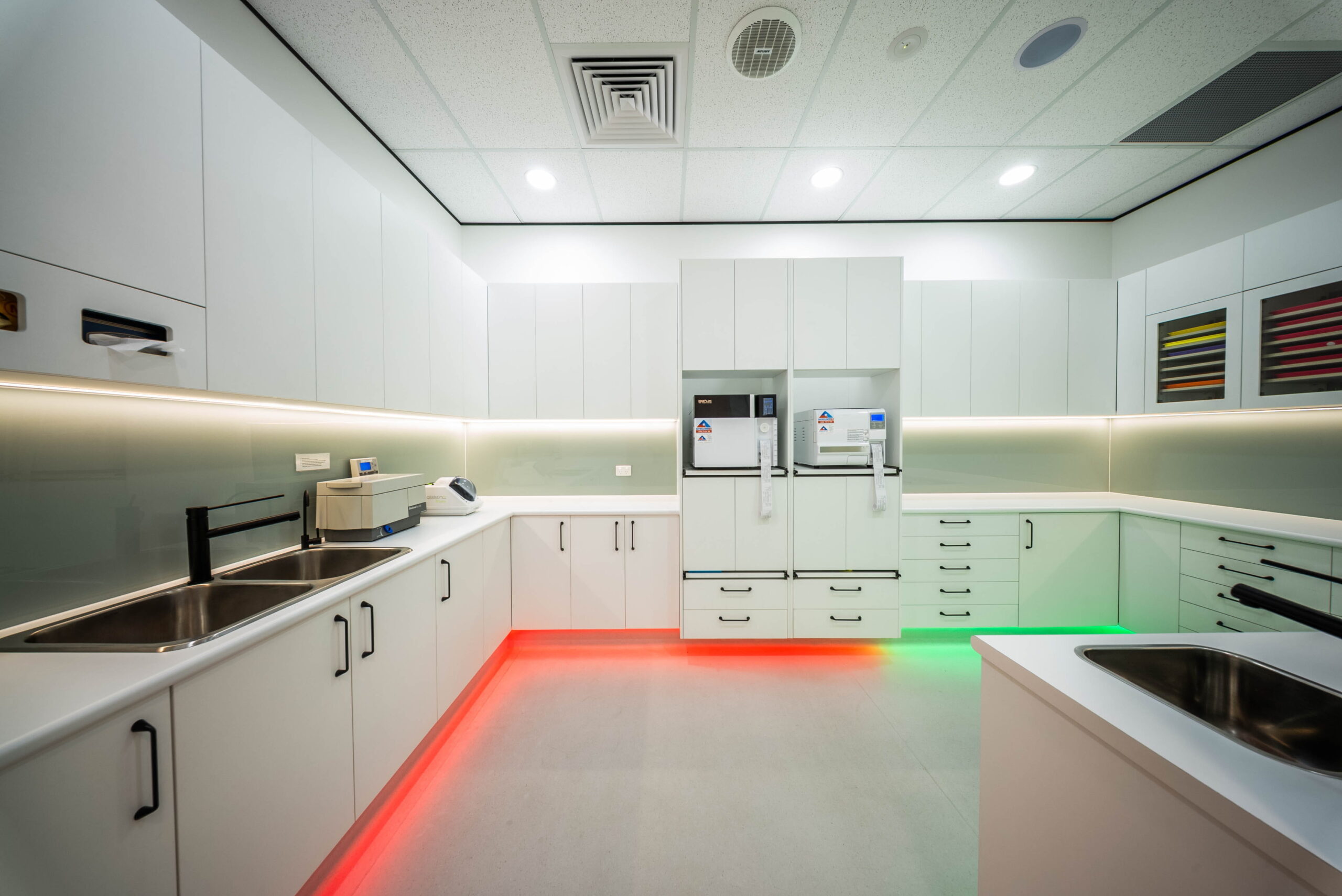
A well-resolved clinic layout supports a clear progression:
- Instruments move from use into a cleaning zone
- From cleaning to preparation and packaging
- Then into a clean sterilisation area
This sequence reduces the risk of cross-contamination and supports reliable daily operation.
What This Looks Like in Practice
This is typically addressed through a few key building design decisions:
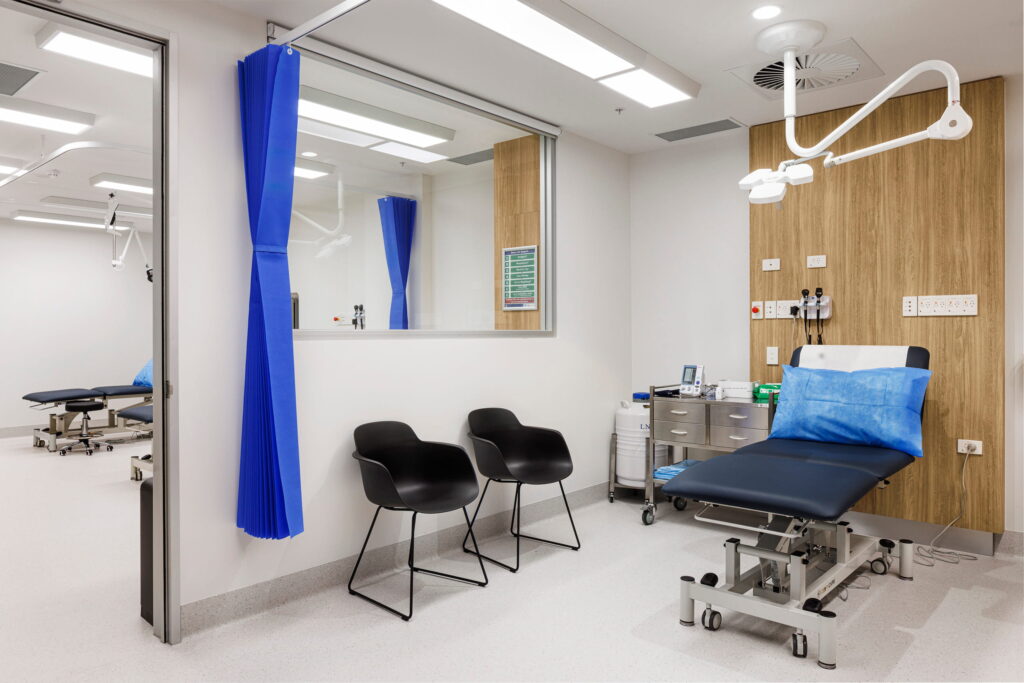
- Sterilisation areas positioned close to treatment rooms
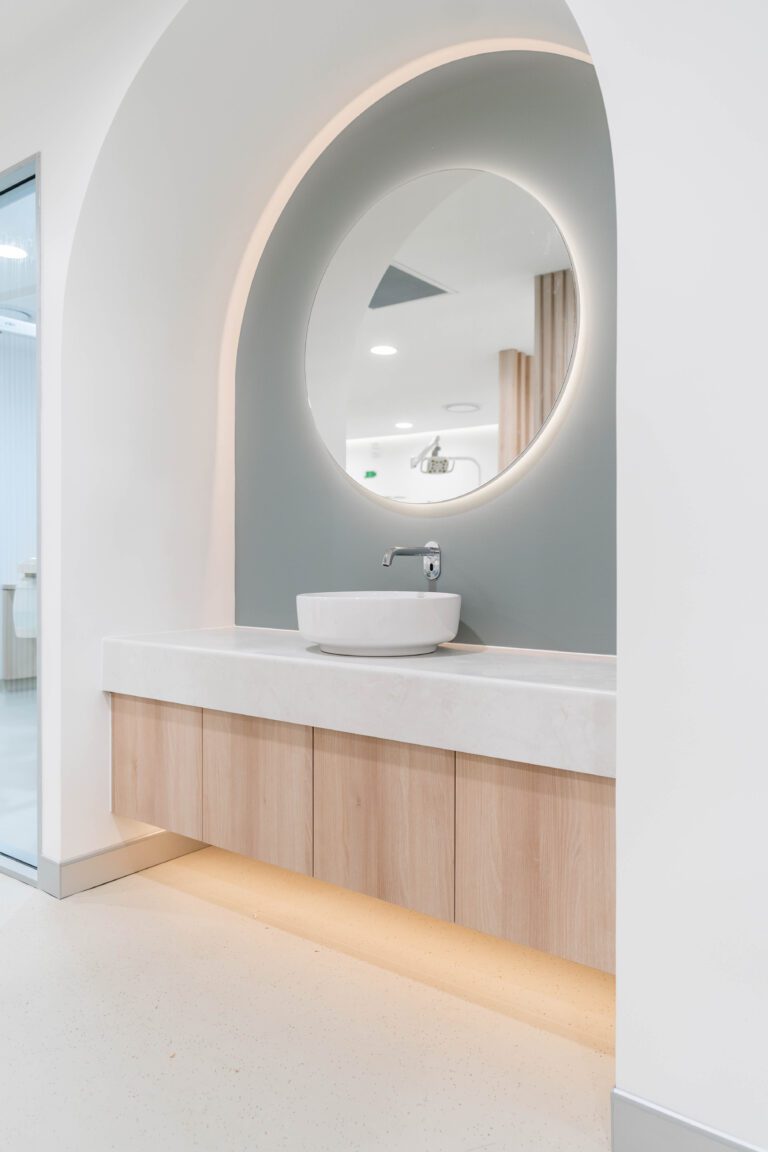
- Hands-free clinical sinks to reduce contact points
- Non-porous materials that withstand frequent cleaning
- Flooring details that eliminate hard-to-clean junctions
These decisions influence more than compliance. They affect how smoothly the clinic runs under real working conditions and how efficiently spaces can be turned over between patients.
Privacy: Beyond the Closed Door
Privacy in a clinical setting is shaped by more than a door and a lock.
It depends on how sound travels, how rooms are positioned, and how patients move through the space.
Acoustic and Visual Considerations
Effective privacy design often involves:
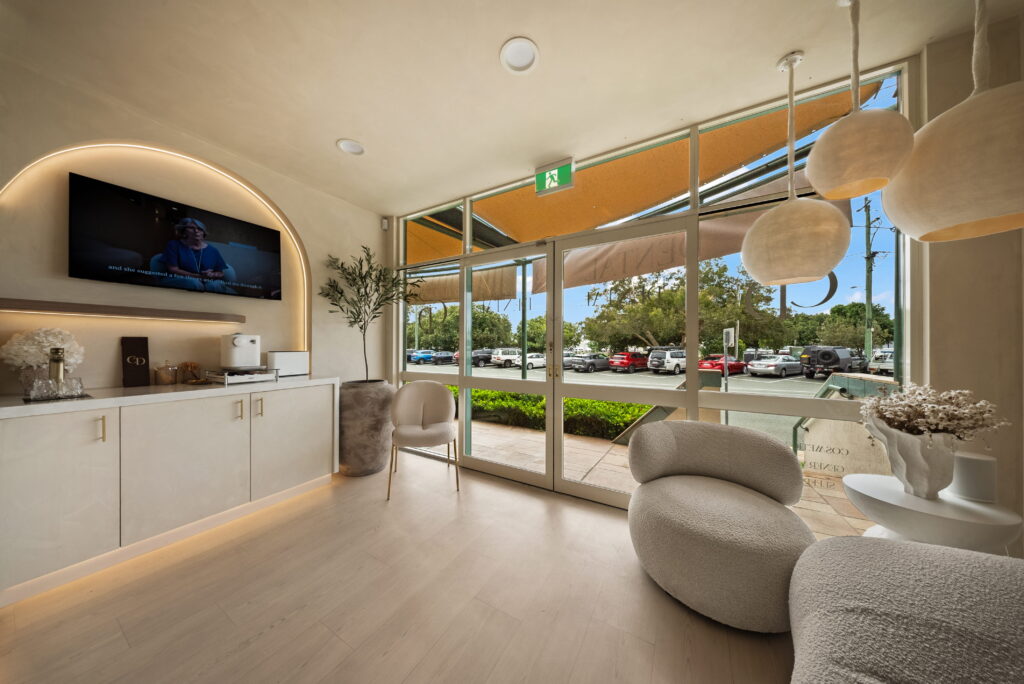
- Acoustic separation between consultation rooms
- Layouts that reduce direct sightlines into clinical areas
- Clear distinction between public and private zones
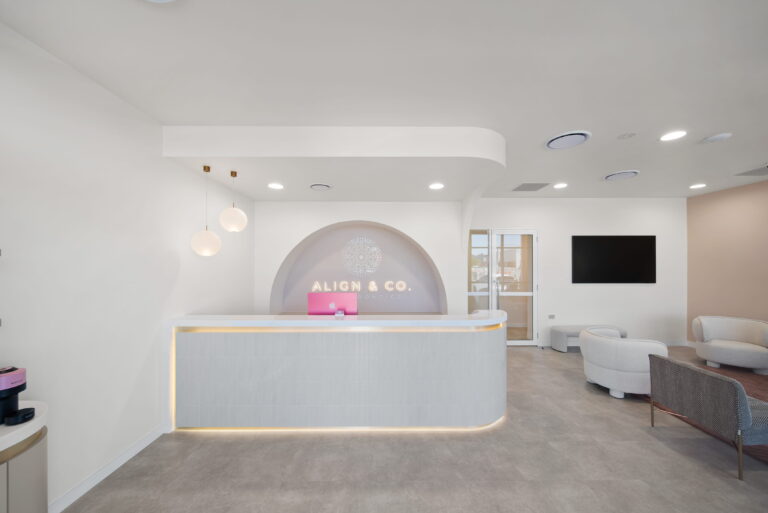
Even small adjustments can make a meaningful difference. The orientation of a chair, the placement of an entry point, or the inclusion of a quieter area near reception can influence how comfortable patients feel during sensitive conversations.
When privacy is resolved well, it becomes part of the overall experience of the clinic.
Accessibility as a Baseline, Not an Addition
Accessibility is embedded within RACGP standards and aligned with AS1428.1. It needs to be considered from the outset.
Designing for Inclusive Access
Key considerations typically include:
- Step-free entry and compliant ramp gradients
- Doorways sized for wheelchairs and mobility aids
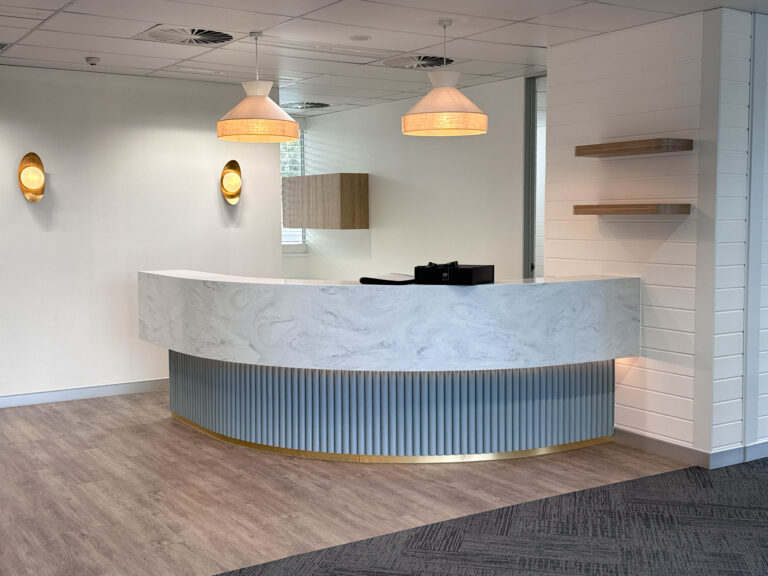
- Reception areas that allow for accessible interaction
- Bathroom facilities designed for safe and independent use
These requirements influence core planning decisions. Corridor widths, room sizes, and circulation paths all need to respond early.
Addressing accessibility from the beginning allows it to integrate naturally into the environment.
Safety and Planning for the Unexpected
Healthcare environments need to perform reliably in both routine and high-pressure situations.
RACGP standards reflect this by addressing how clinics should respond when conditions change.
Emergency Access and Movement
A practical test during planning is straightforward.
Can a stretcher move easily through the clinic to where it is needed?
If movement feels restricted on paper, it will be more so in reality.
Integrating Safety Systems Early
In practice, this often comes down to a few key decisions:
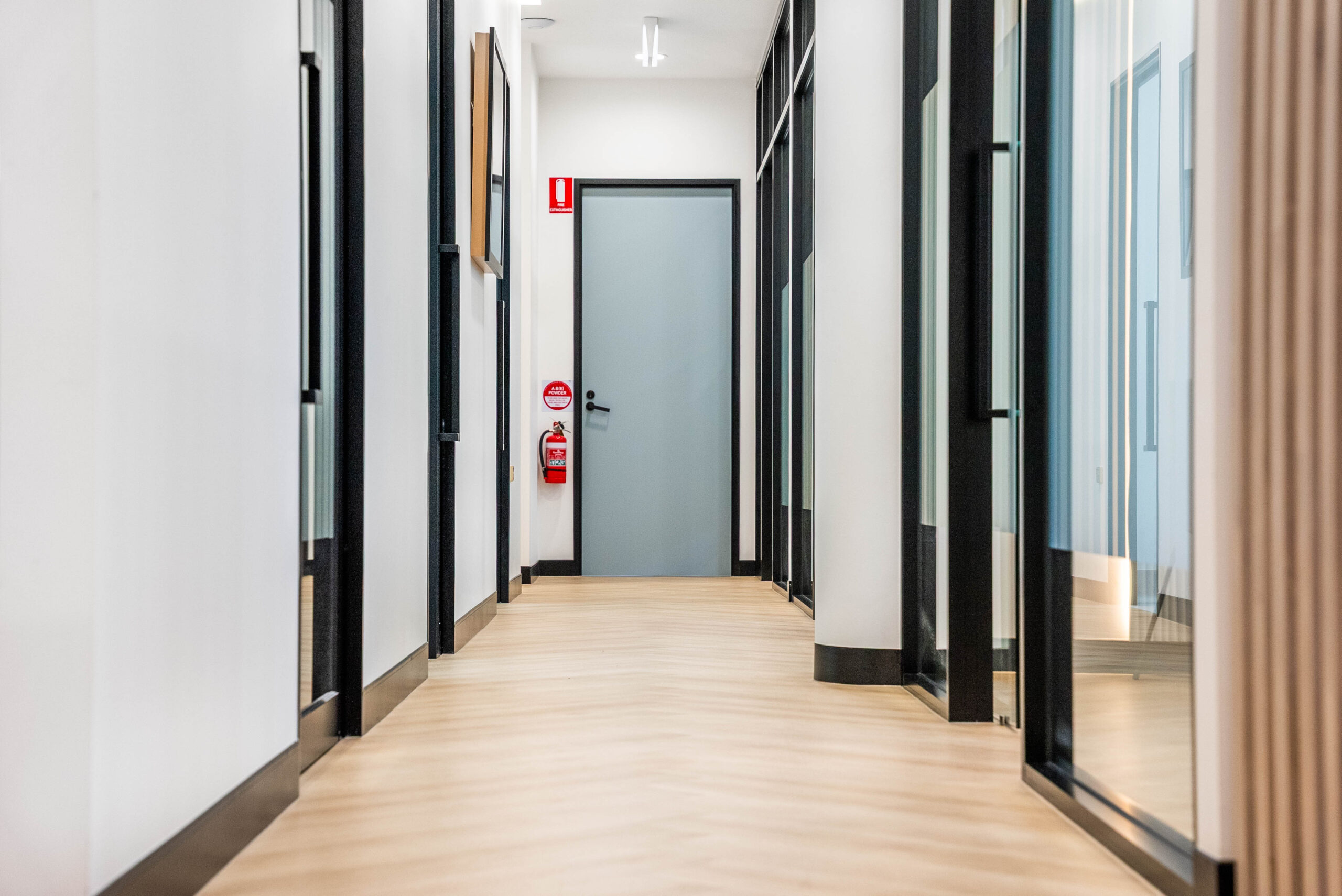
- Maintaining clear and unobstructed access paths
- Allocating visible and central locations for emergency equipment
- Incorporating duress systems into early electrical planning
Resolving these elements during design is significantly easier than making changes during construction.
The Relationship Between Compliance and Workflow
Compliance and workflow are closely connected in a clinical environment.
A clinic planned in line with RACGP standards for medical clinic design should also support how people move, interact, and work within the space.
Designing for Daily Use
A well-considered layout supports efficient movement between treatment, sterilisation, and storage. It also reduces congestion in shared areas and maintains a clear separation between public and clinical zones.
These outcomes influence how the clinic operates each day, from patient flow through to staff workload. Over time, this can affect how many patients can be seen, how consistently care is delivered, and how sustainable the workflow is for your team.
Across healthcare projects, layout decisions made early tend to have lasting operational impacts long after construction is complete.
Common Pitfalls When Interpreting RACGP Standards
The standards provide clear guidance, but applying them in practice can present challenges.
Some of the more common issues include:
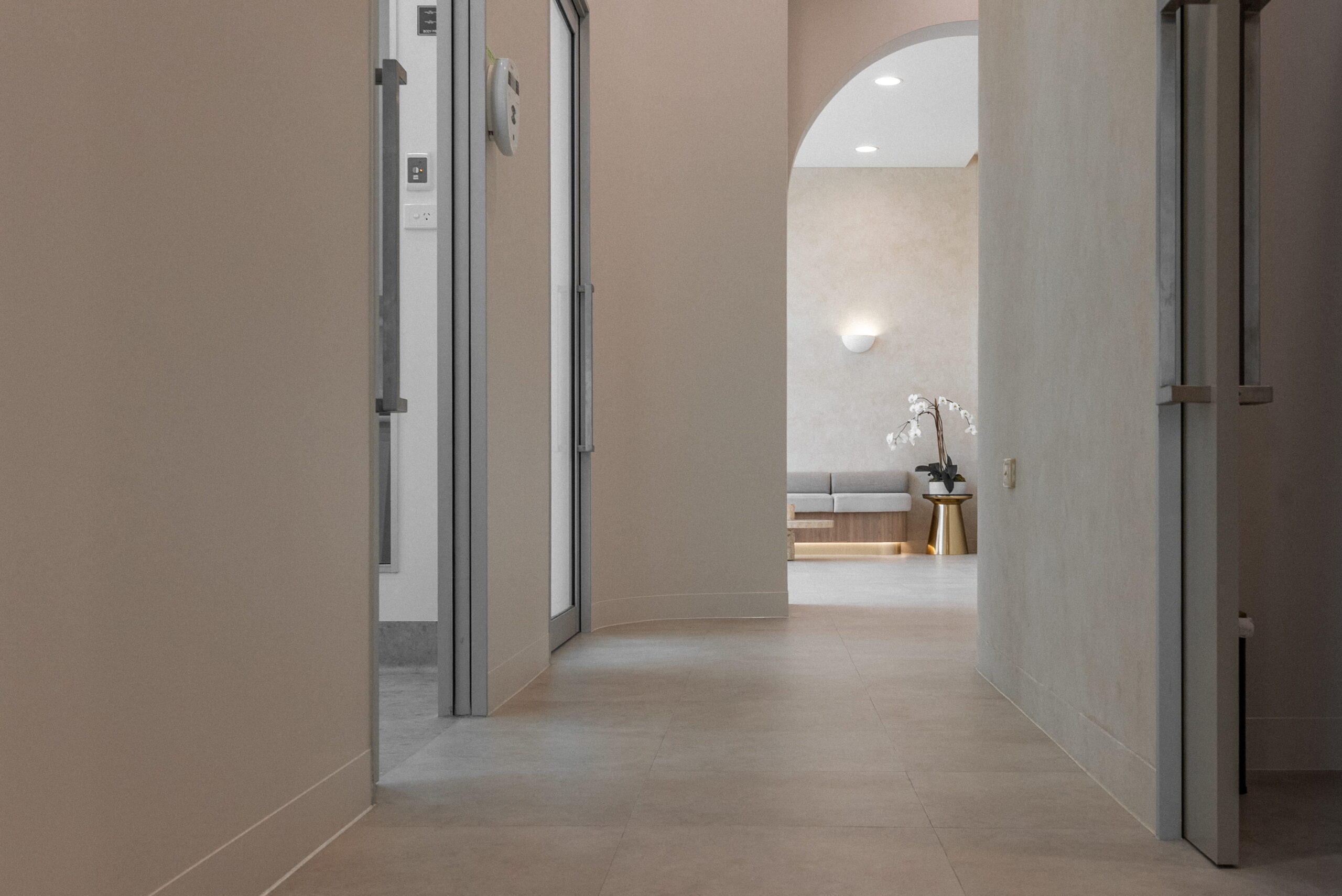
- Applying residential or commercial materials in clinical areas
- Underestimating the service requirements of medical equipment
- Overlooking storage for waste and sharps
- Treating HVAC systems as standard rather than clinically specific
- Delaying accessibility considerations until late in the design process
These issues often arise when compliance is treated as a final step rather than part of early planning.
Why Early Integration Changes the Outcome
A consistent pattern appears across healthcare projects.
Decisions made early tend to have the greatest impact.
When RACGP standards for medical clinic design are considered from the outset, it becomes part of the design process. This supports better alignment between layout and regulatory requirements, more predictable budgeting, and fewer adjustments during construction.
It also allows the project to move forward with greater clarity as details are refined.
Bringing It All Together in Practice
Designing a medical clinic involves balancing several interconnected priorities:
- Compliance
- Workflow
- Patient experience
- Long-term flexibility
These factors influence each other. A layout adjustment can improve both workflow and privacy. A material selection can support durability while also improving infection control.
Considering these relationships together leads to a more cohesive and effective outcome.
How RiteSpace Constructions Supports Compliant Clinic Design
Translating RACGP standards into a working clinic requires more than interpretation. It involves careful planning and an understanding of how healthcare environments function in practice.
RiteSpace Constructions works with medical professionals across Australia, including dental and veterinary clinicians, to deliver compliant clinic spaces designed to support both day-to-day operations and patient care.
Our approach centres on early alignment. By considering RACGP standards, NCC Class 9a requirements, and clinical workflows from the outset, key decisions are made with both compliance and usability in mind.
We deliver this through healthcare fitouts, base builds, and turnkey clinic projects. Bringing design and construction together helps reduce conflicts, streamline approvals, and minimise risk as the project progresses.
With multiple consultants and regulatory inputs involved, managing this coordination ensures each element contributes to a well-resolved outcome.
Design with Confidence from the Start
Understanding RACGP standards for medical clinic design is an essential step in creating a clinic that is both compliant and practical to operate.
When these standards are considered early and applied thoughtfully, they support better decisions across every stage of a project.
At RiteSpace Construction, we work with healthcare professionals to translate these requirements into well-planned, functional environments that support everyday care.
If you are in the early stages of planning, exploring our recent projects can help clarify what is possible in your own space. You can also download our eBook to better understand current fitout approaches and key considerations before you begin.
When you are ready, speaking with a team that understands both compliance and construction can help you move forward with clarity and confidence.
Frequently Asked Questions
Q. What are RACGP standards for medical clinics?
Ans. RACGP standards are a set of guidelines developed by the Royal Australian College of General Practitioners to support safe, high-quality patient care. They cover areas such as infection control, privacy, accessibility, and practice management, and are used as part of the accreditation process for general practices.
Q. Are RACGP standards mandatory for all clinics?
Ans. RACGP standards are not legally mandatory, but they are required for accreditation. Accreditation is often necessary to access government programs and funding, making compliance a practical requirement for most medical practices.
Q. Do RACGP standards dictate the exact layout of a clinic?
Ans. RACGP standards do not prescribe a fixed layout, but they set performance requirements that influence how spaces are planned. This allows flexibility in design while still ensuring safety, privacy, and operational efficiency.
Q. Can an existing clinic be upgraded to meet the current RACGP standards?
Ans. Yes, existing clinics can be upgraded to align with RACGP standards. This may involve reconfiguring layouts, updating finishes, improving accessibility, or upgrading services to meet current requirements.
Q. How long does it take to design and build a compliant medical clinic?
Ans. Timeframes vary depending on the size and complexity of the project, as well as approvals and consultant coordination. Early planning and clear alignment with compliance requirements can help streamline the process.