Planning a new clinic or refurbishing an existing one is a significant step. It often reflects growth: expanding services, improving patient experience, or creating a space that better supports how you deliver care and the experience you want to create for your patients.
Alongside that opportunity comes a level of financial uncertainty that many practice owners don’t expect.
Initial estimates can appear clear, but healthcare fitout costs tend to evolve as planning progresses. As more details are confirmed, additional requirements begin to surface. Some are anticipated, while others only become visible once design and coordination are underway.
These changes follow a pattern. The difference comes down to when they are identified and how they are managed.
Key Takeaways
- Healthcare fitout costs often increase due to gaps in early planning, not unexpected issues.
- Transparent quotes provide clarity from the outset, while vague estimates delay when real costs appear.
- Compliance, services, and site conditions are the most common cost drivers in healthcare environments.
- Early coordination between design, equipment, and services reduces rework and supports smoother delivery.
- Technology and infrastructure should be planned early, as late changes can affect multiple areas of the build.
- Working with a healthcare-focused team improves cost visibility and helps reduce financial risk.
Why Hidden Costs Are So Common in Healthcare Fitouts
Healthcare fitouts operate within a more complex framework than typical commercial projects. Clinical workflows, regulatory requirements, and specialised equipment all influence how a space is designed and built.
This includes everything from early space planning and healthcare design decisions through to how services are coordinated during construction.
At the early stage, many of these elements are still being defined.
As planning develops, service requirements often increase, compliance measures begin to shape layouts, and design adjustments are made to improve workflow. Each of these shifts is a normal part of the process.
This is often where early budgets begin to shift.
The challenge arises when initial estimates are based on incomplete information. That gap between early assumptions and a fully developed scope is where hidden costs tend to appear.
Transparent vs Vague Quotes: What to Look For
Understanding how your project is priced is one of the most effective ways to manage healthcare fitout costs.
A transparent quote provides a clear picture of the project. It outlines scope, identifies inclusions and exclusions, and reflects the level of detail required for a healthcare environment.
A less detailed approach tends to rely on assumptions.
You may notice:
- Allowances that are broad or undefined
- Limited detail around services or compliance
- Key elements that are not fully addressed
These gaps do not reduce cost. They simply delay when those costs become visible.
Clear, well-structured pricing allows decisions to be made with greater confidence from the beginning.
The Most Common Hidden Costs in Healthcare Fitouts
Hidden costs tend to emerge in specific areas as projects move from concept into detailed planning. Recognising these areas early makes it easier to stay in control of your budget.
Site Preparation and Base Build Upgrades
The condition of the tenancy has a direct impact on how a project develops. A space that appears suitable may still require upgrades before it can support healthcare use, particularly when adapting a commercial tenancy into functional medical spaces.
This can involve electrical adjustments, plumbing modifications, or changes to support specialised areas like consultation rooms and treatment spaces. These requirements are not always obvious at first, but they become clearer as technical planning and early space planning decisions progress.
This is often where initial assumptions begin to shift.
Addressing these factors upfront allows them to be incorporated into the overall scope, supporting a smoother design and construction process rather than introducing changes later.
Council Approvals and Permits
Approvals are a standard part of the process, though their impact is often felt more through timing than direct cost.
Projects may require planning approvals, consultant input, and multiple stages of certification, including local council approval processes, depending on the site and scope. Each step introduces its own timeframe, which can influence how the overall programme unfolds.
This is one of the more common points where timelines and budgets start to drift.
Delays can affect lease commitments, scheduling, and project momentum. A structured approach early in the process helps keep these elements aligned.
Compliance Requirements
Compliance shapes every healthcare fitout. It influences layout, materials, and how spaces connect and function within a healthcare facility.
Accessibility, infection control, and fire safety all play a role. These requirements often overlap, meaning decisions in one area can influence outcomes across consult rooms, treatment areas, and broader medical spaces.
This is where design decisions become more interconnected.
When compliance is considered early, it provides a clear framework for healthcare design and supports more effective space planning. When it is introduced later, it can lead to redesign and additional work, which increases healthcare fitout costs.
Equipment Integration and Services
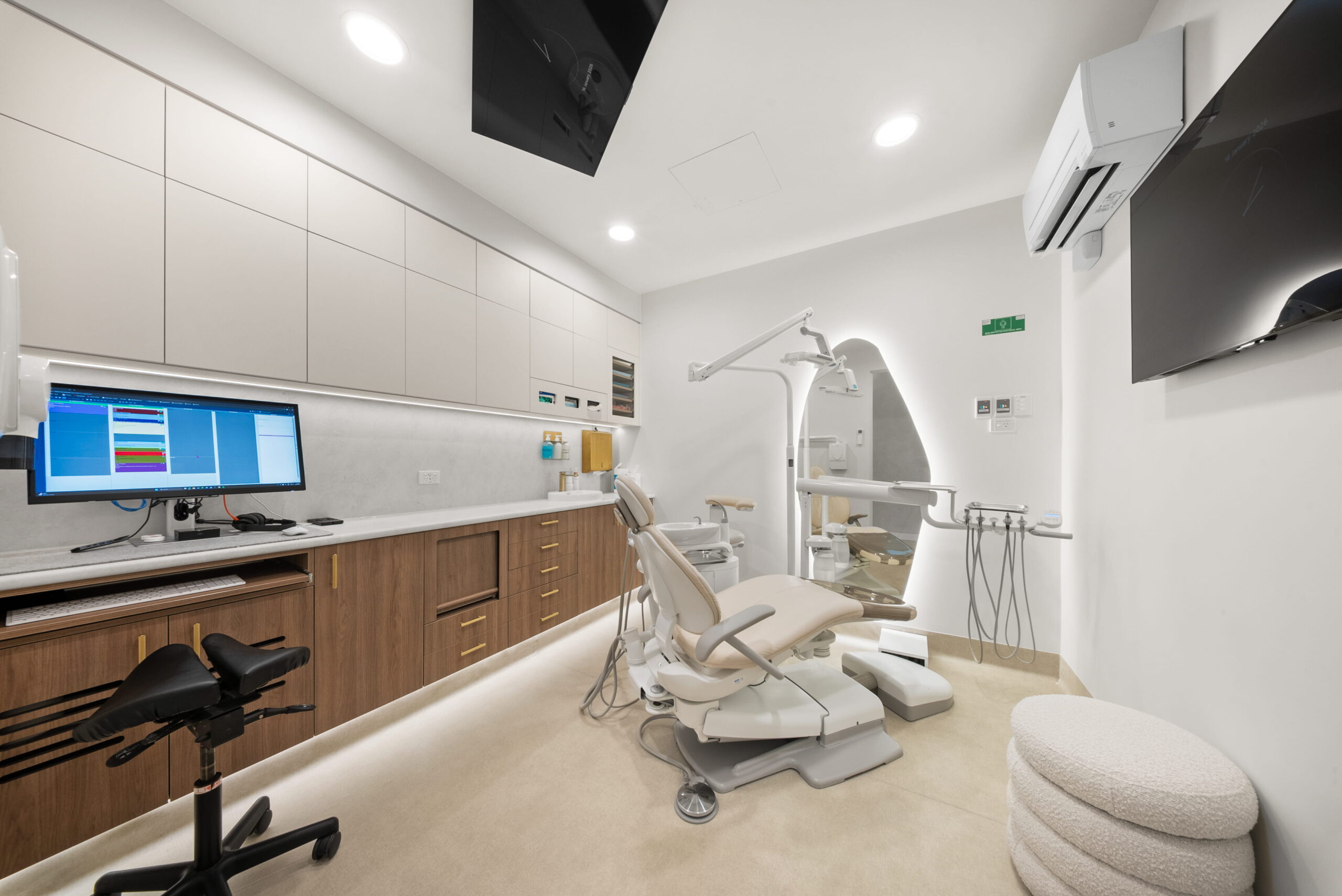
Equipment decisions carry through the entire project. From dental chairs to diagnostic systems and other medical equipment, they influence services, layout, and how each room operates.
Planning for this typically involves:
- Aligning power, data, and hydraulic services
- Allowing space for installation and maintenance
- Coordinating ventilation or structural requirements
These elements are closely connected. When equipment is aligned with the design early, coordination is more straightforward.
Late changes tend to create flow-on effects across multiple areas, which is where complexity and cost begin to increase.
IT, Data and Specialist Systems
Technology supports daily operations across most clinics, yet the infrastructure behind it is often less visible during early planning.
Data cabling, server access, and backup systems need to be built into the design. Within a healthcare facility, these systems support everything from patient records to diagnostic tools and day-to-day operations.
When they are considered alongside layout and space planning, they integrate cleanly into the environment. When introduced later, they can require adjustments that affect walls, joinery, and services.
This is one of the quieter points where healthcare fitout costs begin to shift, often without immediate visibility.
Acoustic Treatments and Material Considerations
Acoustic performance contributes to privacy and comfort, particularly in consultation and treatment areas within medical spaces.
Achieving this level of control often requires more than standard construction methods. Additional insulation, specialised materials, or upgraded systems may be needed to support both patient experience and day-to-day functionality.
These inclusions are subtle, but they play an important role in how a space feels in practice. When considered early, they are straightforward to incorporate into the build and align more effectively with the overall healthcare design.

Why General Builders Often Miss These Costs
Healthcare fitouts require a different level of planning compared to standard commercial projects.
Builders without healthcare-specific experience may not account for compliance, services, or equipment integration in enough detail during the early stages. This can lead to a reactive process, where requirements are addressed as they arise.
For practice owners, this often results in changes during construction, where adjustments are more difficult to manage and typically more expensive.
Working with a healthcare-focused team allows these factors to be identified and addressed earlier, which supports a more stable and predictable process.
How Poor Planning and Coordination Lead to Budget Blowouts
Project coordination has a direct impact on how costs develop across both design and construction stages.
When planning is not fully aligned, small gaps can appear between design, services, and construction. Equipment may be specified after services are planned, or design updates may occur once building has already begun.
These situations often lead to rework. Even minor adjustments can affect multiple parts of the project, which contributes to rising healthcare fitout costs.
A coordinated approach brings these elements together early, reducing the need for changes later on.

The Role of Contingency Budgeting
Some level of cost movement is expected in healthcare fitouts. Contingency allows this to be managed without placing pressure on the project.
An allowance of around 10–15% is commonly recommended. This provides flexibility as details are refined and approvals are finalised.
Rather than increasing cost unnecessarily, contingency supports stability. It allows decisions to be made without compromising quality or compliance.
How RiteSpace Constructions Helps You Avoid Hidden Costs
Managing healthcare fitout costs requires a clear understanding of how projects develop from concept through to completion.
At RiteSpace Constructions, we take a structured approach that aligns design and construction, services, and delivery from the beginning. This reduces fragmentation and gives you clearer visibility over how costs develop from the outset.
Our work spans a range of medical practices, from dental clinics to allied health environments, with a focus on practical space planning, interior design, and long-term functionality.
With experience across medical, dental, and veterinary fitouts, we understand how compliance, workflow, and medical equipment integration influence outcomes.
Pre-construction planning plays a central role in this process, helping ensure that decisions made early continue to support the project as it progresses, with fewer surprises along the way.

Plan Early, Build with Confidence
Most hidden costs are not unexpected. They are simply identified too late.
A healthcare fitout is a detailed process, but it can be managed with clarity. When planning is approached early and with the right level of detail, projects tend to move forward with fewer disruptions and more predictable outcomes.
Understanding what influences healthcare fitout costs allows you to make informed decisions and maintain control throughout the process.
At RiteSpace Construction, we work with healthcare professionals to plan and deliver fitouts, from base builds through to complete turn-key solutions, ensuring a clear, coordinated process and long-term performance.
If you are in the early stages of planning, exploring your options with an experienced team can provide valuable clarity. Take a look at our recent projects, download our 2026 trends eBook or get in touch with us to start shaping your clinic with confidence.
Frequently Asked Questions
Q. How early should I start planning healthcare fitout costs for my clinic?
Ans. Planning for healthcare fitout costs is most effective when it begins alongside your initial design and leasing decisions. Bringing cost considerations into the process early allows key elements such as layout, services, and compliance to be aligned from the outset. This reduces the likelihood of adjustments later, when changes are more complex and costly to implement.
Q. What is typically included in the cost of a medical fitout?
Ans. The cost of a medical fitout generally extends beyond construction alone. It often includes design development, approvals, services such as electrical and plumbing, interior elements like joinery and finishes, and the integration of medical equipment.
Additional considerations such as compliance, technology infrastructure, and consultant input also contribute to the overall investment. Understanding these components early provides a clearer picture of how costs are structured.
Q. How can I compare quotes for a healthcare fitout more effectively?
Ans. Comparing quotes is less about the final number and more about how each proposal is put together.
Look for clarity around scope, inclusions, and assumptions. A well-detailed quote will also show how the builder has considered compliance, services, and coordination. This makes it easier to understand how healthcare fitout costs may develop over time.
Q. What role does interior design play in a healthcare fitout budget?
Ans. Air conditioning in healthcare environments often requires a higher level of performance than standard commercial systems.
This may involve:
- Increased ventilation and air changes
- Temperature control for specific rooms
- Coordination with medical equipment and layout
Because of this, these systems need to be considered early within the design and construction process.
Q. What role does project management play in controlling fitout costs?
Ans. Project management helps bring structure to the entire process.
By coordinating timelines, consultants, and construction activities, it reduces the risk of misalignment and rework. This supports more consistent progress and helps keep healthcare fitout costs under control.